Interview with Zulfikar Rizki Ananda
Q1.
Please briefly introduce yourself and your professional field.
Assalamulaikum-Apa Kabar-Hallo ^^
My name is Zulfikar Rizki Ananda, B.A.,M.A., usually called Rizki (리즈키). I am a professional choreographer, dancer, festival director, and International Relations Manager who facilitates cross-cultural collaborations in various art projects to strengthen the global creative community network.
Currently, I serve as the Director of Alang Bangkeh Art Production and ABKI Dance Laboratory, two art institutions that are renowned for their innovation and dedication to the development of traditional and contemporary arts and culture.
Through the Alang Bangkeh Art Production platform, I initiate and develop various forms of collaboration, research, and production of art performances that aim to preserve and promote traditional Indonesian arts and culture. In addition, I am also actively involved in community service activities, using art as a medium for community empowerment and a means to strengthen local cultural identity amidst the flow of globalization. Through its various programs, Alang Bangkeh Art Production strives to create a space for dialogue between tradition and modernity, so that traditional arts remain relevant and in demand by the younger generation.
Meanwhile, through ABKI Dance Laboratory, I focus on in-depth research aimed at developing innovative methods and approaches for creating contemporary dance works. This research is rooted in the values, philosophy, and aesthetics inherent in the traditional arts and culture of Minangkabau, West Sumatra, Indonesia. By blending traditional elements with contemporary techniques, I strive to produce dance pieces that not only highlight local cultural heritage but also resonate with the discourse of global art. ABKI Dance Laboratory serves as a creative exploration platform where artists can experiment with ideas and create works that are unique, meaningful, and firmly grounded in their cultural roots. My performance achievements aim to produce dance works that are not only visually captivating but also deeply engage the emotional and philosophical aspects of the audience.
I completed my bachelor's and master's degrees at the Indonesian Arts Institute of Padangpanjang, majoring in Dance Art. During my studies, I focused on developing dance works rooted in in-depth research, where every creative process emphasized not only aesthetic aspects but also explored the profound relationship between movement, the body, and the essence of life.
My educational focus has been to explore and create dance works that serve not only as forms of artistic expression but also as reflections of philosophical values and meanings relevant to human life. By adopting an approach that integrates tradition and innovation, I have undertaken various explorations of movement aimed at understanding how the human body can serve as a medium to convey stories, emotions, and reflections on different aspects of life. The philosophy embedded in each dance work forms a strong foundation for my creative process, making it a universal language of communication that transcends cultural and temporal boundaries.
In 2019, I successfully completed my Korean language studies at Jeonbuk National University, South Korea. During my education, I not only studied linguistic aspects but also delved into the rich culture, traditions, and artistic values of Korea. This experience broadened my horizons as an artist, deepened my understanding of global cultural diversity, and opened opportunities for cross-national artistic collaborations.
The education at Jeonbuk National University also provided me with the opportunity to explore Korea's artistic and dance approaches, enriching my creative perspective. The combination of understanding Korean culture and my background in traditional Indonesian arts enabled me to develop works that integrate cross-cultural elements, creating a harmonious dialogue between local and global heritage in performing arts.
Q2.
What made you decided to join the CPI program?
What did you expect from the program?
I decided to join the CPI x Trust Dance Theatre program because I see it as an extraordinary opportunity to broaden my horizons, develop my skills, and build a wider network in the international arts and culture scene. This program offers the chance to engage in cross-cultural discussions, share creative experiences, and gain new perspectives that are invaluable for my development as an artist. With my background as a choreographer, festival director, and international relations manager, I believe this program can serve as a platform to strengthen my role in bridging Indonesia's traditional culture with global discourse through the arts.
Through this program, I can deepen my understanding of artistic practices and cultural management at an international level. By engaging with experts, collaborators, and fellow participants, I am learning innovative ways to create impact through the arts, both in local and global contexts. Additionally, I hope this program will provide me with access to new professional networks that support cross-cultural collaboration and enable me to develop creative methods and strategies for promoting traditional Indonesian arts on the global stage. I also anticipate that this experience will enrich my perspective in managing sustainable and socially impactful art projects.
Q3.
What did you learn or experience from the training?
What impressed you the most about the program?
From this training, I gained deep insights into new approaches in arts and cultural management, strategies for cross-cultural collaboration, and creative techniques for managing impactful art projects. The training also provided invaluable practical experience in integrating the arts as a tool for cultural diplomacy and community empowerment. I learned how to develop artistic narratives that are relevant on both local and international levels, as well as the importance of understanding social, cultural, and economic dynamics in managing arts programs.
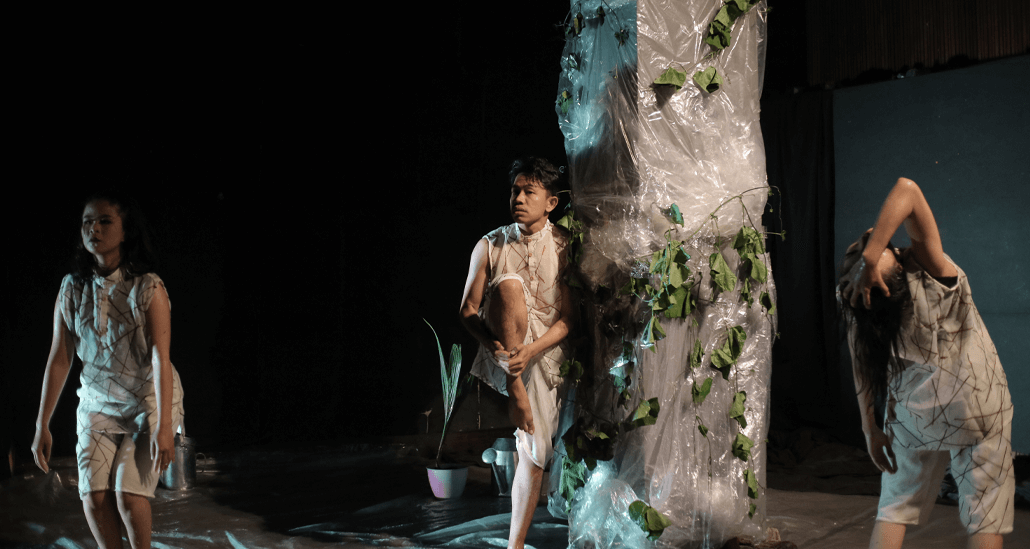
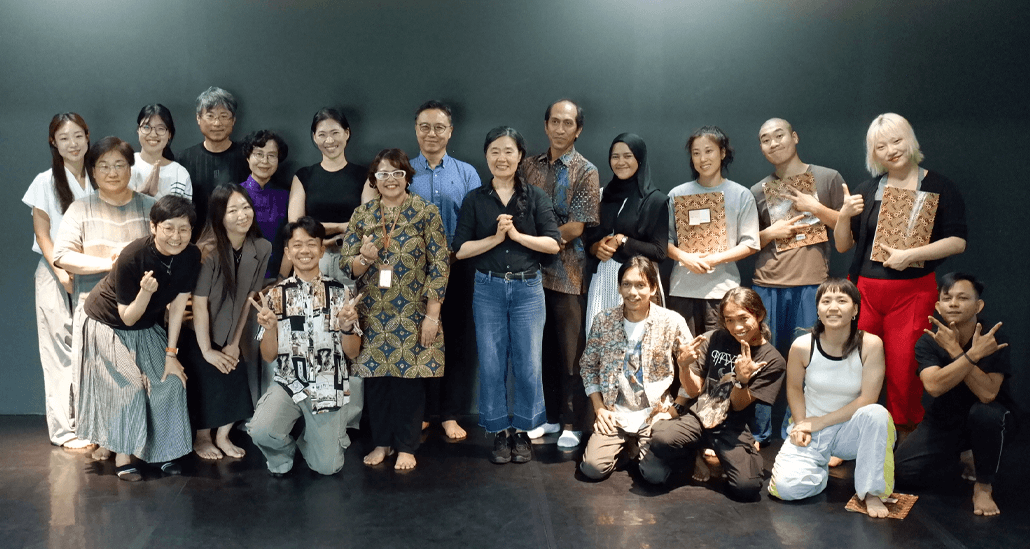
The most memorable experience for me was the opportunity to engage in an intense and collaborative effort to create a short artwork titled "Re:Member." This work emerged from a deeply creative process, integrating the mindsets, discussions, and active contributions of each participant, who came from diverse backgrounds, cultures, and languages. This collaboration served as tangible proof of how art can be a universal language that transcends boundaries and differences, creating harmony.
The most memorable experience for me was the opportunity to engage in an intense and collaborative effort to create a short artwork titled "Re:Member." This work emerged from a deeply creative process, integrating the mindsets, discussions, and active contributions of each participant, who came from diverse backgrounds, cultures, and languages. This collaboration served as tangible proof of how art can be a universal language that transcends boundaries and differences, creating harmony.
The presence of the audience as an integral part of the work transforms it into more than just an art performance; “Re:Member” is a shared experience that allows the audience and artist to connect emotionally, open up space for reflection, and create meaningful moments. For me, this creative process has not only enriched my artistic perspective but also reinforced the powerful role of art as a medium for forging deep emotional connections between individuals from diverse backgrounds.
Q4.
Did you form any lasting relationships or networks from the program?
How have those connections been beneficial?
Yes, I successfully established lasting relationships and networks with fellow participants, mentors, and professionals involved in the program. The collaboration during the program provided opportunities to connect deeply with individuals from diverse cultural, artistic, and professional backgrounds. These relationships extended beyond the program, evolving into a sustainable collaborative network for sharing ideas, projects, and opportunities.
The connections formed through this program have provided significant benefits both professionally and personally. Professionally, this network has opened opportunities for cross-cultural collaborations in various art and performance projects. I maintain ongoing communication with Trust Dance Theatre and other participants, exchanging ideas and inspiration. Each collaboration becomes an opportunity to expand my creative horizons. Additionally, these connections grant me access to information about festivals, residencies, and international art programs that can support the development of my work in the future. By building strong relationships, I have also gained new perspectives on how art can serve as a tool for cultural diplomacy and community empowerment.
From 2023 to 2024, several CPI participants collaborated with festivals I managed in my country. These included members and participants from India, Kazakhstan, South Korea, and Thailand, who took part in festivals I organized, such as the "Solok Arts Space-tival"(SAS) and the "ASIA International Performing Arts and Forum" (ASIA.IPAF). Similarly, I also participated in various creative endeavors they hosted in their respective countries.
Q5.
Have you had any follow-up activities or projects with other trainees, the training
institution, or other Korean cultural and artistic organizations?
If so, please share your experience.
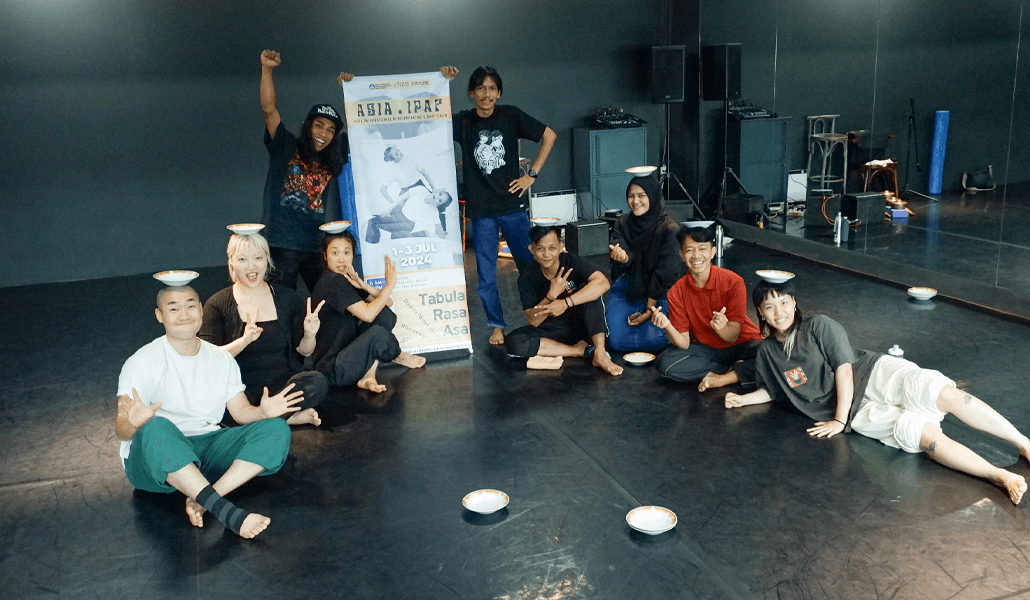
From July 1-3, 2024, through Alang Bangkeh Art Production, I collaborated with Trust Dance Theatre from South Korea to create an international collaborative event called the ASIA International Performing Arts and Forum (ASIA.IPAF). This program was designed as a creative platform to facilitate collaboration, exchange of ideas, and exploration of contemporary performing arts across the Asian region. ASIA.IPAF featured a series of activities, including workshops, discussion forums, and showcases presenting innovative contemporary dance works by Asian artists. It created a space to celebrate cultural diversity while strengthening inter-nation dialogue through the arts.
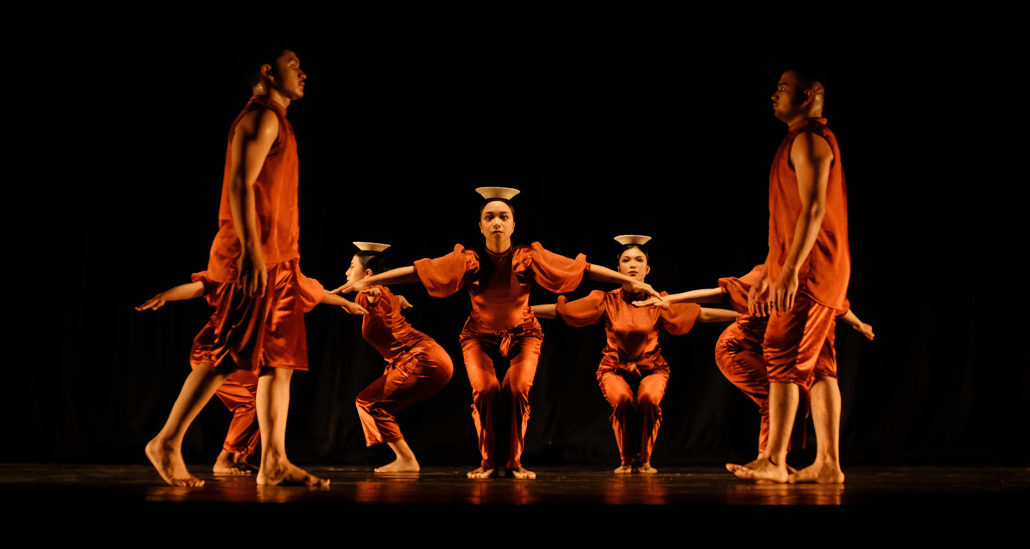
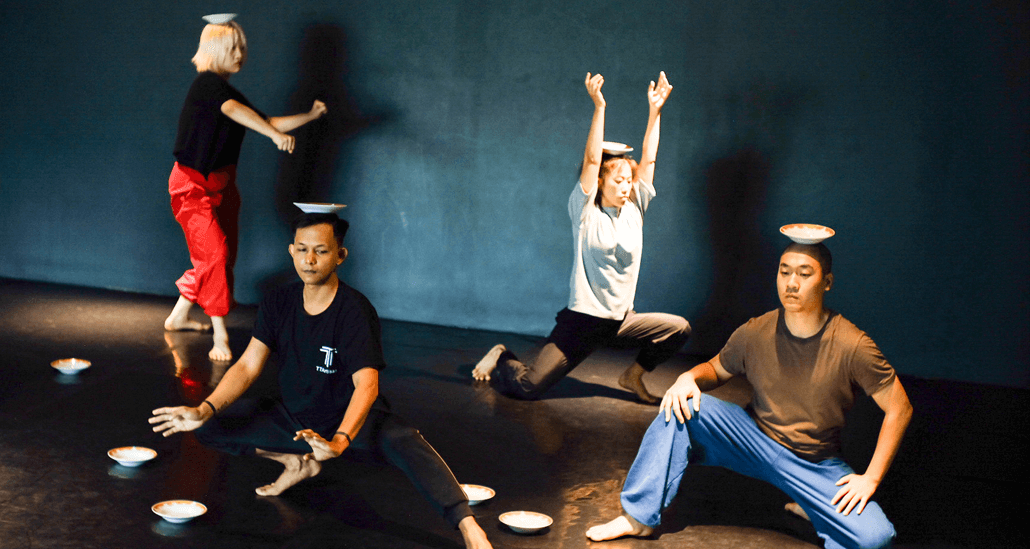
One of the main programs we present is a workshop and performance entitled "Tabula Rasa Asa", a unique and meaningful contemporary dance work and method. This work is inspired by the meaning and philosophy of Indonesian traditional dance, especially "Tari Piriang di Ateh Karambia" (Plate at Coconuts Dance) which is an important part of the cultural heritage of the Minangkabau people in West Sumatra province. "Tabula Rasa Asa" is a dance and performance method that I created in 2021, after going through in-depth research for approximately two years, and was premiered in 2023. This work not only adopts traditional dance movements and aesthetics but also reinterprets its philosophical values in the context of contemporary performance and choreography.
Through the workshop, participants were introduced to a creative method that integrates the mind, body, and objects, as well as traditional elements, with a contemporary dance approach. This process teaches how the body and movement can serve as mediums to explore the meaning of individual identity, togetherness, and hope. Meanwhile, the showcase of this work presents a stunning blend of dance movements and music, illustrating the connection between tradition and contemporary expressions.
ASIA.IPAF has become a symbol of successful cross-cultural collaboration and a platform to showcase the richness of Indonesian performing arts on the international stage. This program not only strengthens relationships among Asian artists but also makes a tangible contribution to the growth of contemporary art rooted in local culture.
ASIA.IPAF received full support from various parties, including a grant from the Ministry of Education, Culture, Research, and Technology of the Republic of Indonesia, channeled through the Dana Indonesiana program. This support was one of the key drivers behind the event's success, highlighting cross-country artistic collaboration while promoting the richness of Indonesian culture internationally.
At the event's closing, the showcase successfully captured the attention of various key attendees. The event was attended by local South Korean artists, who expressed their appreciation for the innovation and fusion of traditional and contemporary artistic elements in the performance. Also present was the Education and Cultural Attaché of the Embassy of the Republic of Indonesia in South Korea, who offered moral support and recognized this initiative as a strategic step in strengthening Indonesia's cultural diplomacy and South Korea.
Besides that, representatives from KOFICE-CPI Korea (Korean Foundation for International Cultural Exchange - Cultural Partnership Initiative) were also in attendance, underscoring the importance of cultural collaboration in strengthening inter-country relations across Asia. Their presence validated that ASIA.IPAF not only impacts the realm of arts but also serves as a symbol of cultural diplomacy, fostering collaboration and mutual understanding between Indonesia and South Korea. This program stands as proof that performing arts can act as a bridge connecting local values with global dialogue.
Through ASIA.IPAF, I have applied the knowledge and experience gained from the CPI program and Trust Dance Theatre in 2022. This prior learning provided me with valuable insights into cross-cultural collaboration, contemporary choreography, and arts management, which were essential in shaping the success of ASIA.IPAF. By integrating these experiences, I was able to foster deeper connections and create impactful artistic exchanges between Indonesia and South Korea, enriching the global dialogue in the performing arts.
Q6.
What are your future plan in your professional field?
In my professional journey as a choreographer, dancer, festival director, and international relations manager, my future plans focus on developing performing arts rooted in cultural research, fostering cross-country collaborations, and strengthening the role of art in empowering communities.
Strengthening a Multidisciplinary Arts Platform
I am committed to further developing Alang Bangkeh Art Production and ABKI Dance Laboratory as multidisciplinary arts platforms capable of producing innovative works deeply rooted in cultural heritage. I plan to expand our programs to include more local and international artists, creating an inclusive creative space for exploring both traditional and contemporary art forms.
Expanding International Collaboration
A primary focus of mine is to establish more partnerships with arts and cultural institutions worldwide. Through collaborative projects like ASIA.IPAF, I aim to introduce the richness of Indonesian culture, particularly dance, to a global audience while learning from the artistic practices of other nations to broaden my perspective. I also plan to initiate international artist residencies to foster the exchange of ideas and skills.
Developing Creative Methods Rooted in Cultural Research
I will continue conducting in-depth research to develop new methods in contemporary dance that remain anchored in the philosophy and values of Indonesia's traditional culture. With this approach, I aim to create works that are not only aesthetically captivating but also meaningful and globally relevant.
Enhancing Capacity Through Education and Training
I aspire to share my knowledge and experience through training, workshops, and mentorship programs for young artists. My goal is to inspire more young people to understand and preserve local cultural arts while encouraging creative innovation.
Advancing Arts as a Tool for Cultural Diplomacy
Art plays a vital role in strengthening international relationships. Therefore, I will continue using performing arts as a means to enhance cultural diplomacy, fostering deeper understanding among global communities, strengthening international networks, and promoting values of peace and diversity.
Q7.
Would recommend the CPI to other cultural professionals?
Is there anything else you want to share about CPI?
Of course, I highly recommend the Cultural Partnership Initiative (CPI) to other cultural professionals, especially those committed to broadening their horizons and building international networks in the arts and culture field. This program offers an extraordinary opportunity to deepen understanding of cross-cultural artistic practices, foster creative collaboration with artists from various countries, and gain hands-on experience in exploring the arts and culture of the host country.
CPI not only provides a space for learning but also serves as a platform to share expertise, ideas, and perspectives in an inclusive and collaborative environment. Through this program, participants can enhance their professional capacity in areas such as arts management, creative work production, and cultural diplomacy.
Another equally important benefit is the opportunity to build lasting global networks. For me, this is invaluable, as today’s arts and culture are no longer confined to local contexts but play a significant role in global conversations. By participating in CPI, cultural professionals can unlock their potential to make greater contributions not only to the arts and culture of their home countries but also within a broader global context.
Therefore, I believe CPI is an invaluable experience for anyone looking to elevate their artistic work to an international level and strengthen the role of the arts as a tool for social transformation and cultural diplomacy.
Zulfikar Rizki Ananda (Indonesia)
2022 CPI Participant
Alang Bangkeh Art Production and ABKI Dance Laboratory / Director.


