From Webtoon to Cultural Policy: Journey as a CPI 2021 Program
Alumni in Shaping Youth Policy and Cultural Administration
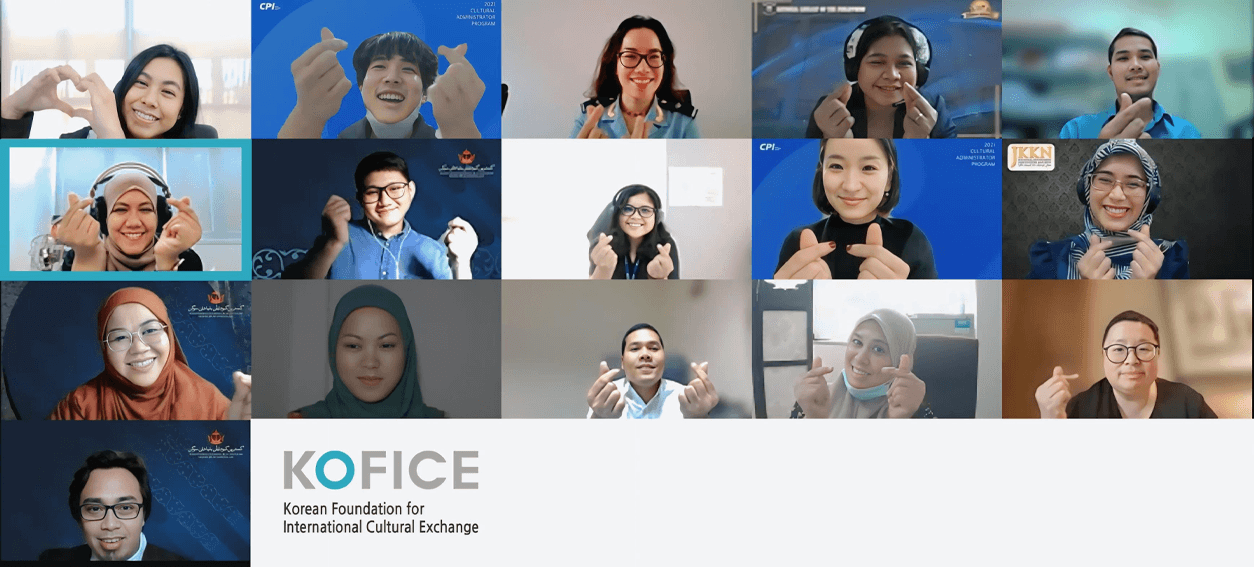
CPI Programme 2021 Participants (2021)
Q1.
Please briefly introduce yourself and
your professional field.
You can call me Ayisha Rahman, or professionally, Ts. Noraisyah Rahman. Currently, I am the Dean of the Faculty of Animation and Multimedia at the National Academy of Arts, Culture and Heritage (ASWARA), a higher education institution under the Ministry of Tourism, Arts, and Culture (MOTAC), Malaysia. I specialize in new media art and design, creative technology, and game studies, with a focus on cultural identity and heritage safeguarding. I am a CPI 2021 program alumnus - as an advocate for future-skilling, I am dedicated to expanding the digital multiverse! ✨
Q2.
What made you decided to join the CPI program?
What did you expect from the program?
Initially, to be honest, I was nominated by a senior officer at my institution to apply, as the program's requirements aligned with my expertise and experiences. With my experience in organizing creative online sharing sessions during the Movement Control Order (MCO) for youth amid the Covid-19 pandemic, as well as participating and sharing my knowledge in the United Kingdom and Nepal, I was particularly interested in focusing on the Asian region, specifically CPI by KOFICE. The program's theme resonated with my institution's niche, and I saw the potential for an online program to benefit from brainstorming sessions within a professional context such as working with senior officers, especially in relation to policy-making in the region.
Initially, to be honest, I was nominated by a senior officer at my institution to apply, as the program's requirements aligned with my expertise and experiences. With my experience in organizing creative online sharing sessions during the Movement Control Order (MCO) for youth amid the Covid-19 pandemic, as well as participating and sharing my knowledge in the United Kingdom and Nepal, I was particularly interested in focusing on the Asian region, specifically CPI by KOFICE. The program's theme resonated with my institution's niche, and I saw the potential for an online program to benefit from brainstorming sessions within a professional context such as working with senior officers, especially in relation to policy-making in the region.
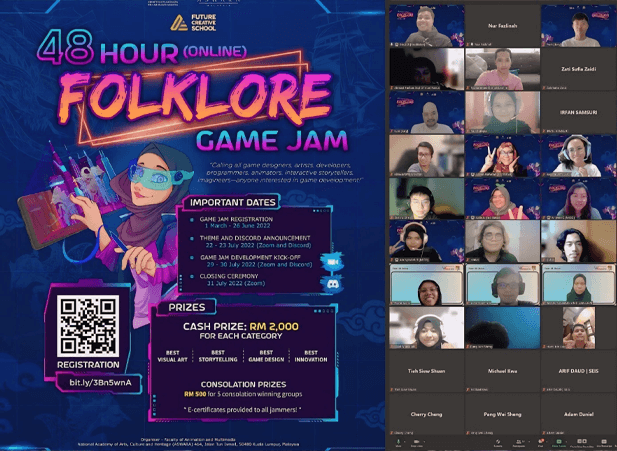
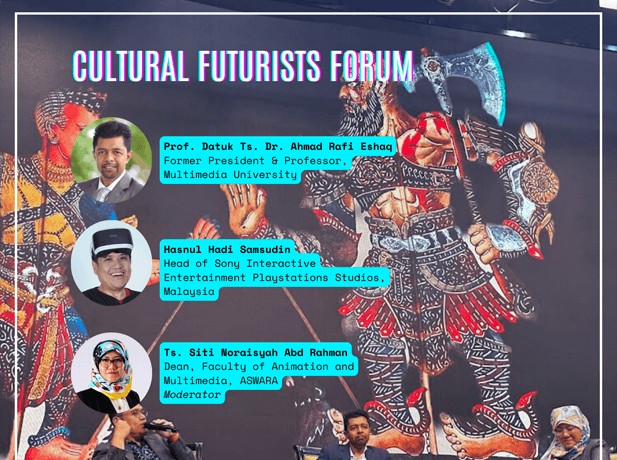
Snippet from a book I co-authored, "Cultural Futurists: Redefining Identity in the Age of AI"(2024) - a cultural heritage appreciation and digitalisation initiative(2024)
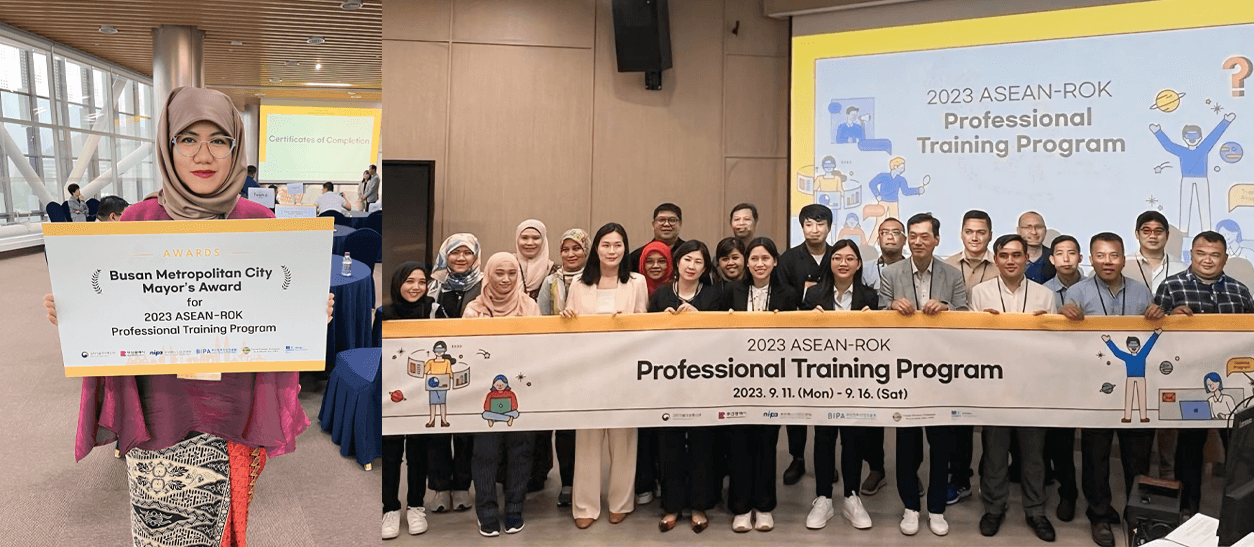
Malaysian representative in ASEAN-ROK XR Metaverse, South Korea and won Busan Metropolitan City Mayor’s Award (2023)
Q3.
What did you learn or experience from the training?
What impressed you the most about the program?
From the training, I gained valuable insights into policy-making in cultural administration, particularly within the education and creative sector, through creative content creation such as webtoon, manhwa, and film and animation. I especially appreciated the integrated teamwork practices that brought together both working-level and high-level officers to collaboratively develop action plans for youth policy during the program.
The program included specific brainstorming sessions focused on current issues and work plans tailored to each country, which provided a deeper understanding of the unique challenges each nation faces. Additionally, the pitching sessions were particularly beneficial, as they encouraged innovative thinking and the exploration of practical strategies for effectively implementing these policies.
Q4.
Were you able to apply what you learned or
experienced in your current work?
Definitely! Based on the initial framework I proposed in the action plan titled “Srikandi: Empowering Cultural Diversity and Inclusion of Malaysian Folklore via Interactive Jam”, I went on to organize the actual innovation challenge a year later in Malaysia. The program, titled 48 Hour Folklore Game Jam, was conducted entirely online and attracted close to 100 participants from higher educational institutions across Malaysia.
I also focused on increasing awareness of cultural integration in both contemporary and traditional mediums. Additionally, I believe in the importance of providing follow-up support after any program, and KOFICE excels at ensuring that knowledge dissemination continues even years after the program's completion.
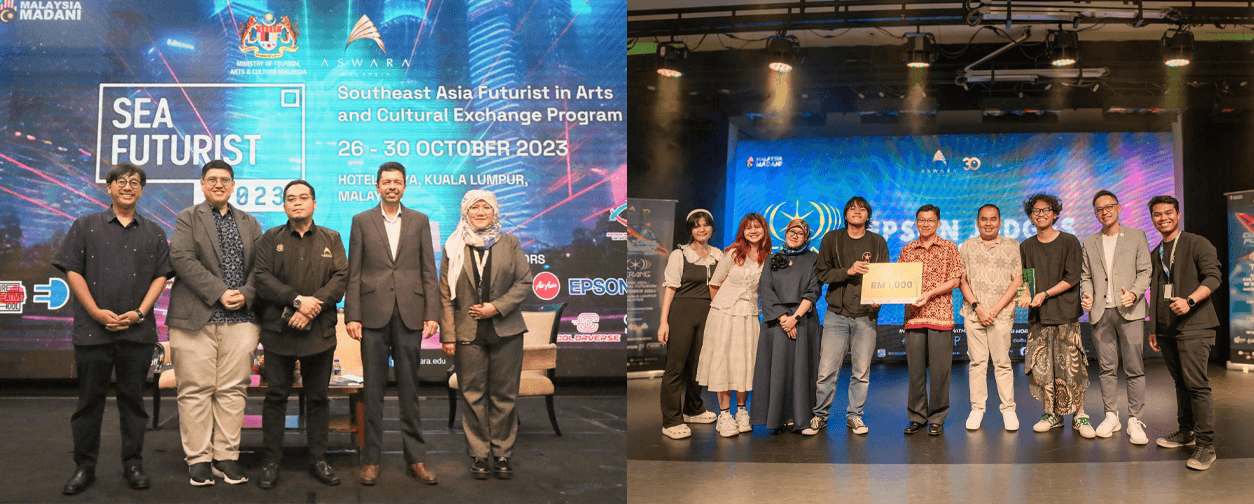
Cultural heritage digitalisation programmes by Future Creative School, Faculty of Animation and Multimedia ASWARA (2023-2024)
Q5.
Have you had any follow-up activities or projects with other trainees, the training institution, or other Korean cultural and artistic organizations? If so, please share your experience
Indeed, I have participated in several follow-up activities with other trainees and Korean organizations. In 2022, I was a speaker at the CPI Reunion Online, where I have been given the opportunity to present my project - Makyung in Metaverse, as part of the Cultural Resources session and actively participated in all CPI KOFICE follow-up sessions. Additionally, during my time in CPI 2021, I was grouped with two officers from the National Department for Culture and Arts (JKKN), which, like ASWARA, is under the Ministry of Tourism, Arts, and Culture (MOTAC), providing further opportunities for collaboration within our shared ministry.
Recently, I was selected as Malaysia's representative in the ASEAN-ROK XR/Metaverse Professional Training Program (2023) for cultural heritage digitalization in Busan, South Korea. Out of 40 participants, I was one of the 18 selected for the offline session in Busan, South Korea. During the program, I received the Busan Metropolitan Mayor’s Award for outstanding proposal.
This is a clear indication of my ongoing commitment to supporting ROK upskilling initiatives since graduating from the CPI 2021 program, wouldn't you agree? (^_^)o
Q6.
What are your future plan in your professional field?
Since graduating from the CPI 2021 program, I have taken on a more senior role as the Dean of the Faculty. Previously, I was Deputy Dean for almost five years and Head of the Digital Games Art program. This more senior role has shifted my focus towards administration and decision-making, allowing me to further sustain and grow the Faculty and institution. My future plans include upskilling further and incorporating best practices in policy-making into my career as an administrator, academician and creative practitioner. I also aim to ensure that the newer generation appreciates culture and heritage in a fun, yet respectful manner, while fostering more international collaborations across institutions—especially with the Republic of Korea.
In addition, I also provide strategic direction and leadership for Future Creative School (FCS), our institution's lifelong learning and digitalization entity within the Faculty. While the Director manages day-to-day operations, as the Dean of the Faculty, I focus on fostering inclusive growth, ensuring alignment with the Faculty’s and institution’s overall goals. Hence, I plan to leverage networking opportunities with KOFICE network within Ministry of Culture, Sports and Tourism specifically in terms of lifelong learning context.
Q7.
Would recommend the CPI to other cultural professionals?
Is there anything else you want to share about CPI
Absolutely, I highly recommend CPI to other professionals, especially those working within the arts and culture context. It helps broaden your perspective on an international scale while fostering interdisciplinary collaboration to find solutions that can enrich each country and contribute to better policy-making.
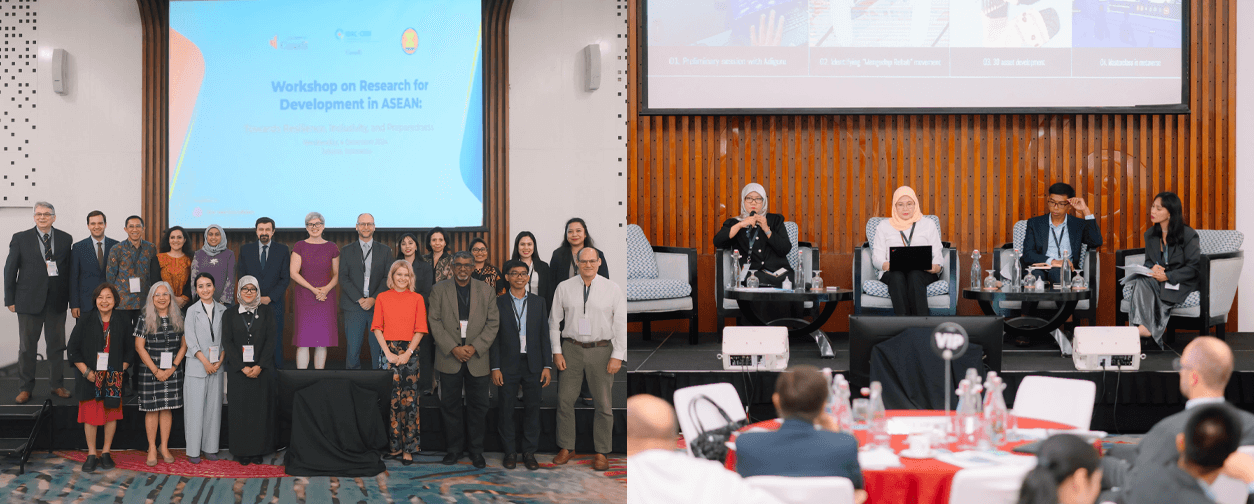
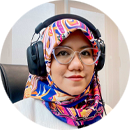
Noraisyah Rahman (Malaysia)
2021 CPI Participant
Dean, Faculty of Animation and Multimedia, National Academy of Arts, Culture and Heritage (ASWARA)


