Interview with Zakia Kirti,
AMFEK Program Alumnus and Design Researcher
Q1.
Please briefly introduce yourself and your professional field
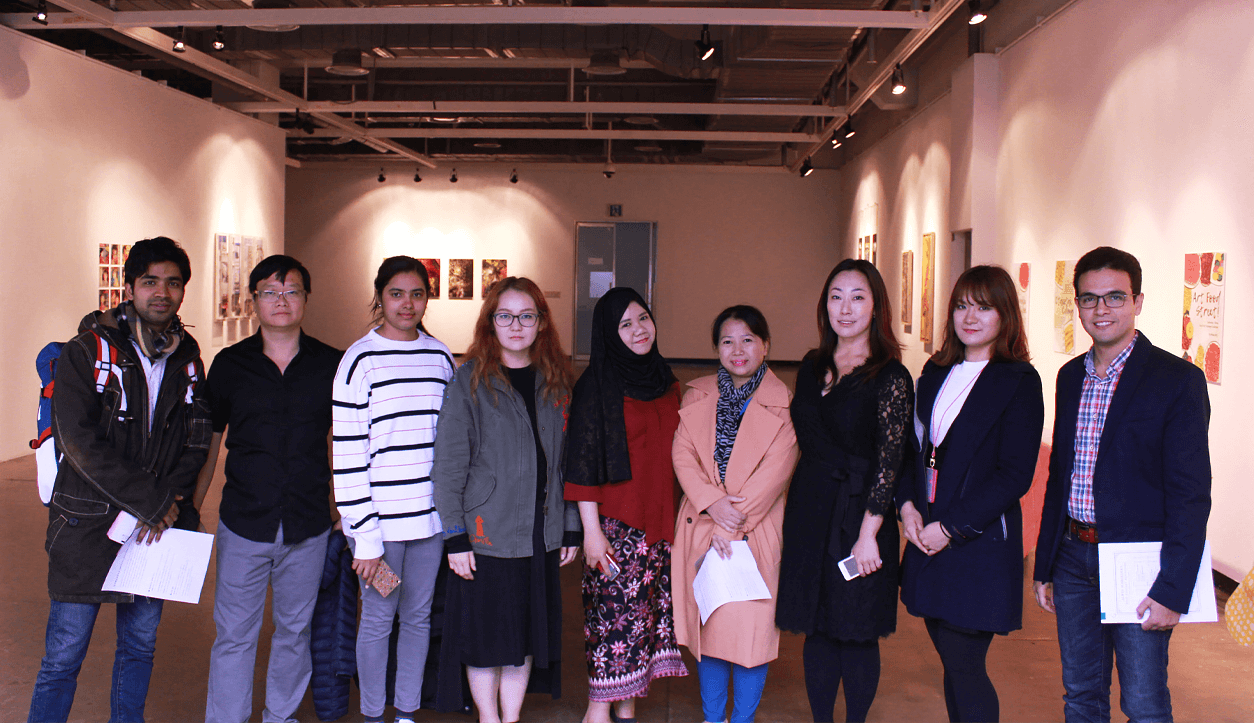
Hello! My name is Zakia Kirti, but you can call me Kia. I’m a design researcher with a passion for design analysis and a special focus on cross-cultural design and visual arts. My background in Visual Communication Design, which I studied at Bina Nusantara University in Indonesia, has allowed me to explore both the technical and conceptual sides of design. Over the past few years, I’ve been working on various projects that combine the analytical aspects of design with creativity, from visual storytelling to cultural design elements. Recently, I had the incredible opportunity to participate in the "Art Major Faculty Explore K-Arts" (AMFEK) program through the Cultural Partnership Initiative (CPI), hosted by the Korean National University of Arts (K-Arts). This experience was transformative, allowing me to immerse myself in Korean culture and discover new dimensions in art and design.
Q3.
What did you learn or experience from the training?
What impressed you the most about the program?
The training at K-Arts was truly transformative in ways I hadn’t anticipated. The AMFEK program offered an interdisciplinary approach that encouraged a fusion of diverse artistic styles, which was a dream come true for someone interested in cross-cultural design. One of the most valuable parts was the collaborative environment. I worked on projects that merged Indonesian and Korean artistic elements, creating a cultural exchange that felt both innovative and deeply meaningful. These projects were unique in that they couldn’t have been created in isolation—they required the shared insights of different cultural backgrounds, which was both challenging and immensely rewarding.
What impressed me most about the program was how Korean artists blend tradition with modernity in their work. Korean art, I found, has a way of respecting and celebrating its roots while seamlessly integrating contemporary elements, which creates a sense of timelessness. This approach mirrors CPI’s mission to foster mutual understanding through cultural exchange, a philosophy that resonated with me throughout my journey. I also had the chance to learn some Korean, which helped me connect more closely with my peers and the local community, further enriching my experience. The friendships, collaboration, and exposure to such a dynamic art environment have significantly expanded my creative horizons.
Q2.
What made you decide to join the CPI program?
What did you expect from the program?
The decision to join the CPI program came from a genuine interest in cultural exchange and my passion for learning new perspectives in design. CPI and AMFEK's mission to promote international cultural understanding resonated deeply with me, and I had a friend who had participated previously. Her experiences and stories were so inspiring—they fueled my own desire to participate. I saw it as an ideal opportunity to explore Korean art and design, which I admire for its unique combination of tradition and innovation.
I expected the program to be a rich learning experience where I could gain hands-on exposure to Korean art's intricate balance of historical and contemporary influences. Additionally, I looked forward to making connections with other creative individuals from around the world. I was also keen to bring new ideas back to Indonesia, especially regarding cultural exchange projects that could bridge Indonesian and Korean art. Beyond these expectations, I wanted to refine my design research skills, gain a deeper understanding of how cultural influences shape design, and hopefully inspire others with new perspectives.
Q4.
Were you able to apply what you learned or experienced
in your current work?
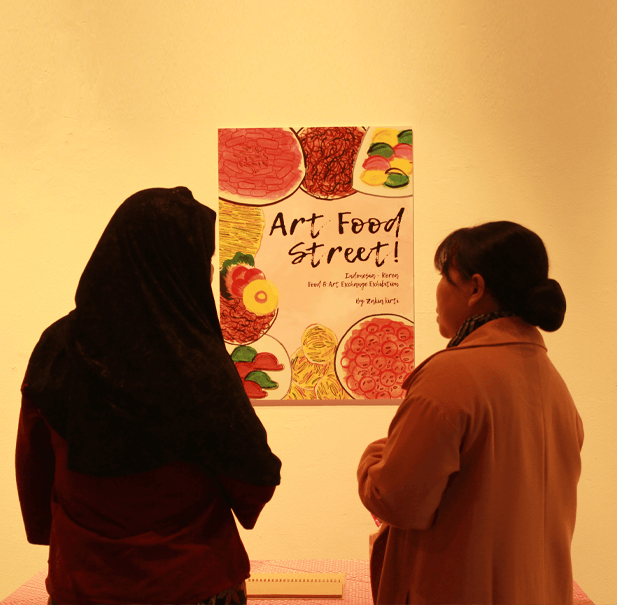
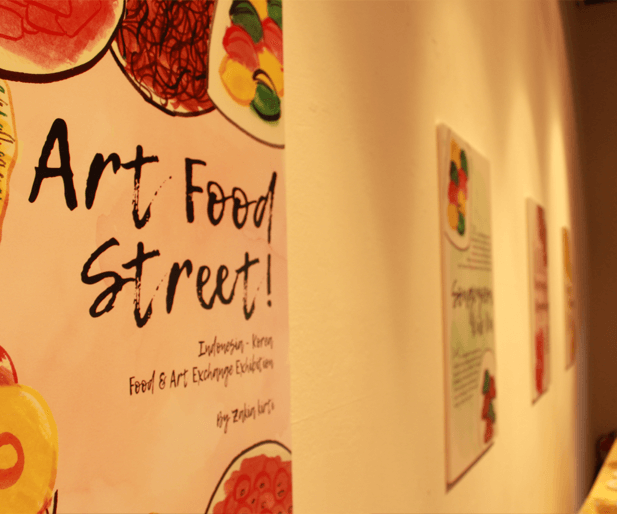
Absolutely. Since returning to Indonesia, I’ve found numerous ways to incorporate what I learned in Korea into my work. A significant project that emerged from my CPI experience is a set of "word cards" designed to introduce traditional foods from both Indonesia and Korea. These cards highlight the similarities between our culinary cultures, such as the use of similar ingredients and preparation methods. Beyond just being informative, the cards serve as conversation starters, symbolizing the creative potential of cultural exchange. The project has been particularly meaningful to me because it emphasizes our shared cultural heritage while celebrating the unique characteristics of each culture.
The experience also transformed how I approach my research and design projects. I now strive to look for ways to blend cultural elements and create a design language that communicates across borders. In my role as a design researcher, I’m constantly inspired to seek out cultural connections, and I apply this outlook in my analyses, making my work richer and more nuanced. This experience with CPI has truly enriched my current role, giving me fresh perspectives and techniques that continue to influence my design work.
Q5.
How has your experience changed after participating
in the training?
Participating in the CPI and AMFEK programs has changed my outlook on art and design significantly. I’ve come to see art as a universal language that can bridge cultural divides and create understanding, even where words might fail. The collaborative projects I undertook with other CPI fellows underscored this idea, as we worked together despite our varied cultural backgrounds and approaches to art. This sense of unity through diversity has inspired me to pursue more cross-cultural collaborations in the future.
In terms of personal growth, the program made me more confident in my abilities to innovate within the design field. I am now more comfortable bringing fresh ideas to the Indonesian design community, and I feel better equipped to introduce new concepts in art and design that celebrate the beauty of cultural exchange. I am deeply grateful to CPI for this transformative journey, as it taught me to value our differences and, even more, our shared creativity.
Q7.
What are your future plans in your professional field?
Looking forward, I am eager to delve deeper into the intersections between Indonesian and Korean art. I want to continue developing projects that celebrate our shared artistic heritage and foster cross-cultural appreciation. Thanks to CPI and KOFICE, I now have a valuable network of artists and professionals who share similar goals, and I’m excited to explore future collaborations. There is something truly magical about blending diverse artistic influences, and I hope to bring this approach into more of my projects.
I also want to encourage others in Indonesia to participate in programs like CPI, as it genuinely broadened my perspective and deepened my skills. Another goal is to eventually mentor other design researchers, sharing the benefits of cultural exchange and inspiring them to create work that bridges cultures. CPI has shown me the potential that cultural exchange holds for design, and I’m excited to promote this in my career moving forward.
Q6.
How do you envision the impact of your training on your
organization or community in the coming years?
I believe the experience I gained will have a lasting impact on my community and the design industry in Indonesia. By incorporating what I learned into my work, I hope to encourage my community and organization to embrace international cultural exchanges. Art has an incredible power to connect people, and I want to use this to promote a better understanding and appreciation of our unique yet interconnected cultures.
I envision creating projects that not only showcase Indonesian art but also highlight shared aspects with other cultures. This approach, inspired by my CPI experience, has already opened doors to new ideas and projects within my organization. I am hopeful that, by continuing this practice, I can inspire others in my community to view art as a platform for cultural connection. I also aim to share what I’ve learned with fellow designers and encourage them to embrace collaborative projects with a focus on cultural integration, which I believe will enrich our creative landscape.
Q8.
Would you recommend the CPI to other cultural professionals?
Is there anything else you want to share about CPI?
Absolutely! CPI is a fantastic opportunity for anyone in the cultural field who wants to expand their understanding and form meaningful connections. The program goes beyond professional training—it provides cultural insight and encourages genuine friendships that often last beyond the program itself. The support I received from KOFICE and CPI made my journey both enriching and impactful, and I am deeply grateful for the experience.
I wholeheartedly recommend CPI to other cultural professionals. It’s an invaluable platform for artists and designers looking to deepen their creative insights and broaden their worldviews. CPI has shown me that art and culture truly have the power to bring people together, transcending borders and differences. Through this experience, I’ve come to appreciate the universality of creativity, and I look forward to continuing my journey as an advocate for cultural exchange. I hope that sharing my story will inspire others to explore programs like CPI and embrace the potential for growth, understanding, and collaboration that they offer.
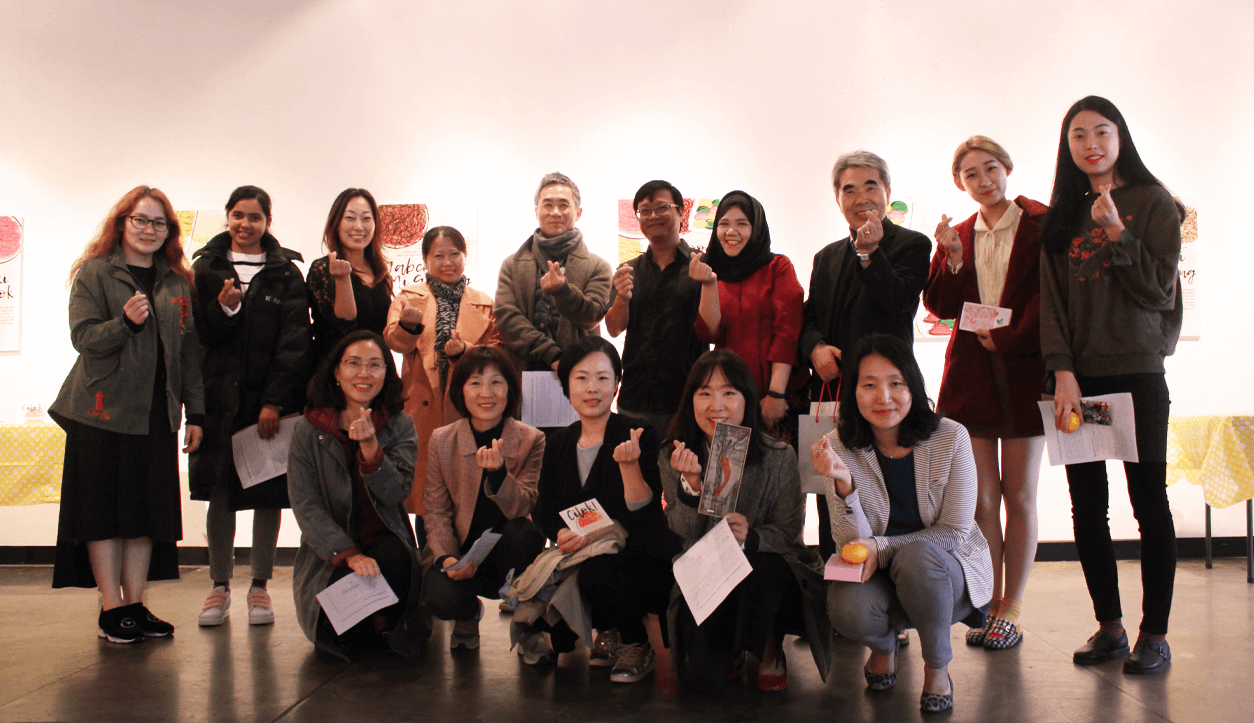
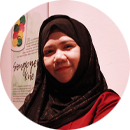
Zakia Kirti (Indonesia)
2017 CPI Participant
Design Researcher at GUDLuck! Studio


