For 20 years CPI publication
Cao Thao Huong – CPI 2015 - Vietnam
Q1. Briefly introduce yourself
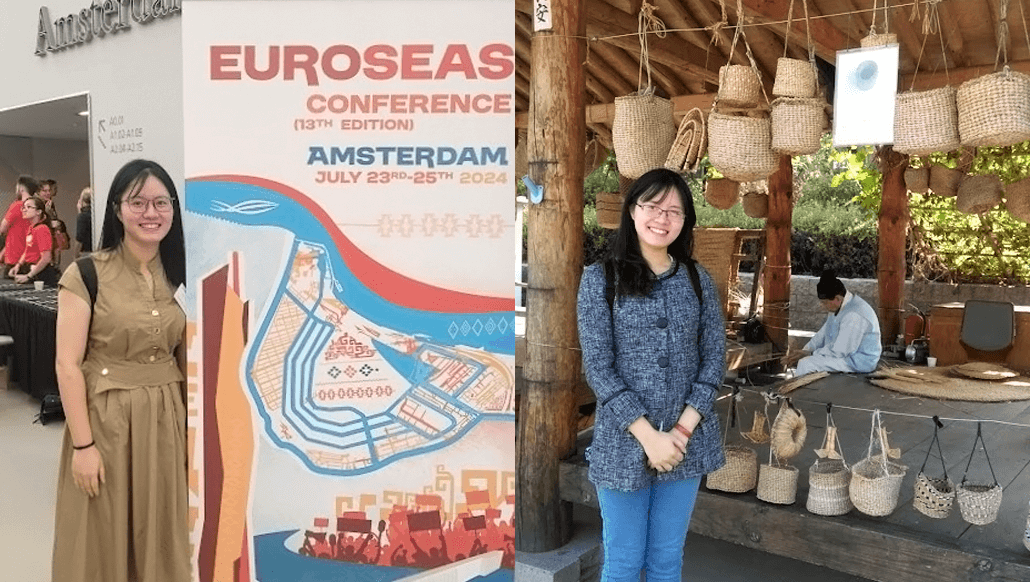
I am Cao Thao Huong, and I participated in the CPI program in 2015 under the auspices of the Korean Foundation for International Cultural Exchange. At that time, I was working at the Center for Research and Promotion of Cultural Heritage Values, under the Vietnam Cultural Heritage Association. After returning from the CPI program, in 2016, I moved to work as a lecturer at the Faculty of Cultural Studies, Hanoi University of Culture. From 2022 onward, I have been working as a researcher at the Institute of Cultural Studies, Vietnam Academy of Social Sciences.
Over the past decade, I have been actively involved in a variety of academic and applied research activities, teaching, as well as organizing seminars, conferences, and exhibitions related to culture, with a particular focus on cultural heritage preservation and promotion. This diverse involvement has allowed me to apply the knowledge and insights I gained from the CPI program to make tangible contributions in my roles as a researcher, lecturer, and coordinator of cultural exchange initiatives. Some of the key projects I have been involved in include: preparing heritage files for the UNESCO nomination to the Representative List of the Intangible Cultural Heritage of Humanity; conducting an inventory of intangible cultural heritage protection in Hanoi city from 2013 to 2015; conducting research on cultural heritage and other topics related to cultural studies, such as cultural value systems and maritime culture; and coordinating projects for the preparation of nomination files for the UNESCO Representative List of the Intangible Cultural Heritage of Humanity.
Currently, I am also working as a PhD student and choosing a thesis topic related to cultural heritage in Vietnam. My studies, research, teaching, and projects are all geared towards a long-term direction that I want to pursue, which is to become an active person in the field of cultural heritage in Vietnam. In particular, I hope to develop more opportunities for international cooperation and strengthen exchanges of understanding between Vietnam and other countries.
Q2. Your experience and impressions from the CPI program
As someone who is interested in the field of cultural heritage, I have a deep impression of the way Korea protects and promotes cultural heritage. In particular, the way Korea combines intangible cultural heritage values with tangible cultural heritage is very worth learning. The cultural programs, cultural events, and tours based on cultural heritage that we were exposed to during the CPI program were very professional and had a clear orientation. The activities that we, the CPIs in 2015, were arranged and introduced by colleagues from the Korean Foundation for International Cultural Exchange were very rich and left many valuable lessons for us: from visiting archaeological sites to attending theatrical programs introducing intangible cultural heritage, as well as experiencing heritage tours and exploring heritage museums. These diverse experiences provided us with a comprehensive understanding of Korea's holistic approach to preserving and promoting its cultural heritage.
In the excitement and enthusiasm for heritage, in 2015 I completed two comparative research projects on yin and yang philosophy and tug-of-war ritual and games between Vietnam and Korea. These projects allowed me to explore the similarities and differences in the cultural practices and philosophical underpinnings of this shared tradition across the two countries. From such comparative research, I have been able to access a diverse range of materials and sources to deepen my understanding of the nuances and connections between the two cultures. I believe this was a valuable starting point to gain a more holistic and insightful perspective on the rich heritage shared by Vietnam and Korea.
2015 was also a very special year, as it marked the 10th anniversary of the birth of the CPI program. The occasion was celebrated with a grand and crowded program that brought together CPI members from around the world. It was a true cultural festival, where participants shared and connected over the rich cultural values and traditions that united them. One of the other meaningful experiences was learning Korean during our time in Korea. While we later primarily communicated in English when meeting our Korean colleagues in Vietnam, learning the language helped us develop a more personal connection.
Q3. How you have applied your knowledge and understanding to your current job
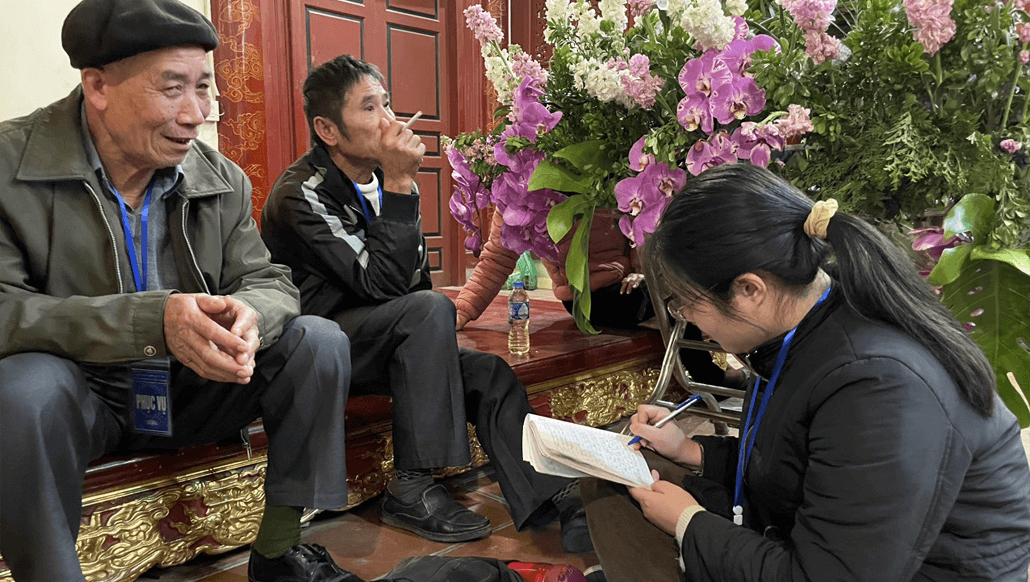
In the past 10 years, I have played many different roles: both as a researcher, as a lecturer, and as a coordinator for cultural heritage programs. The comparative research I conducted, combined with my rich experience in various heritage spaces in Korea, has given me many vivid examples to share with students across different majors, including those studying cultural studies, cultural communication, cultural diplomacy, tourism, cultural management, and cultural heritage. Thanks to the rich and diverse program that CPI has designed, we were able to experience a variety of activities to protect and promote cultural heritage that Korea has implemented in contemporary life. This has provided me with a wealth of practical examples to engage students from diverse backgrounds, and these examples have been well-received by the students.
From CPI's professional activities in organizing cultural programs, I realize the important role of cultural exchange and diplomacy activities, in which cultural identity and cultural heritage are the fulcrum for connection and development. The experience from CPI has helped me to do well in the coordination role in similar projects. Examples include The U.S. Ambassadors Fund for Cultural Preservation's 20th Anniversary Project, where I organized a workshop and photo exhibition to showcase the diverse cultural heritage of the region, as well as The Southeast Asian Cultural Heritage Alliance's conference "Cultural Wisdom for Climate Action: The Southeast Asian Contribution". These types of cultural exchange and diplomacy initiatives have been instrumental in my current role as a researcher, lecturer and coordinator, where I apply the lessons and knowledge gained from the CPI program to facilitate meaningful cross-cultural collaboration and drive positive change through the preservation and promotion of cultural heritage.
I am very pleased that the CPI program has been making concerted efforts to facilitate activities that connect cultural experts and support cultural projects in other countries. The recent projects focused on supporting initiatives in local communities are particularly meaningful. I firmly believe that CPI's unwavering efforts are making a tangible and practical contribution to cultural activities not only in other countries, but also in strengthening the valuable relationship between Korea and other nations, including Vietnam. The CPI program's commitment to cross-cultural exchange and collaboration is truly commendable and is having a meaningful impact.
Cao Thao Huong (Vietnam)
2015 CPI Participant
a researcher at the Institute of Cultural Studies, Vietnam Academy of Social Sciences lecturer at the Faculty of Cultural Studies, Hanoi University of Culture


