Opening New Paths :
A Cultural Officer's Fellowship Experience in South Korea
Q1.
Please briefly introduce yourself and your professional field
I go by Hathairat Jiewjinda, a civil servant working in the field related to the socio-cultural landscape of Thailand. I am a member of the 14th cohort of CPI. During my time in South Korea, I worked as an official in charge of intangible cultural heritage at the Ministry of Culture. My role involved promoting cultural designation and supporting the development of cultural programs that build understanding and strengthen relations in Thailand. However, I have recently transferred to the Prime Minister's Office. My work is focusing on reducing inequality and promoting sustainable development, which encourages balanced development, self-reliance, and community empowerment. I explore and create knowledge that can drive practical solutions for social development at the local level, particularly in marginalized communities.
Recently, I was fortunate enough to receive a prestigious fellowship that allowed me to travel to South Korea for a Cultural Partnership Initiative program. This experience not only broadened my understanding of South Korea's vibrant cultural landscape but also provided valuable insights into the intersections of culture, and public policy. Here, I share some reflections on what I learned and the lasting impact this program has had on my work as a Cultural Officer.
Q3.
What impressed you the most about the program?
As a Cultural Officer working within a government agency, my role involves promoting cultural heritage. This work requires a deep appreciation for both local traditions and global trends, as well as a strategic approach to engaging diverse audiences through cultural initiatives.
Through discussions and workshops, I learned how South Korea has successfully integrated its cultural exports into broader foreign policy strategies, creating a powerful tool for global influence. I was particularly struck by how South Korea’s cultural diplomacy focuses not just on promoting Korean culture but on building long-term cultural relationships and collaborations with countries around the Asia Pacific.
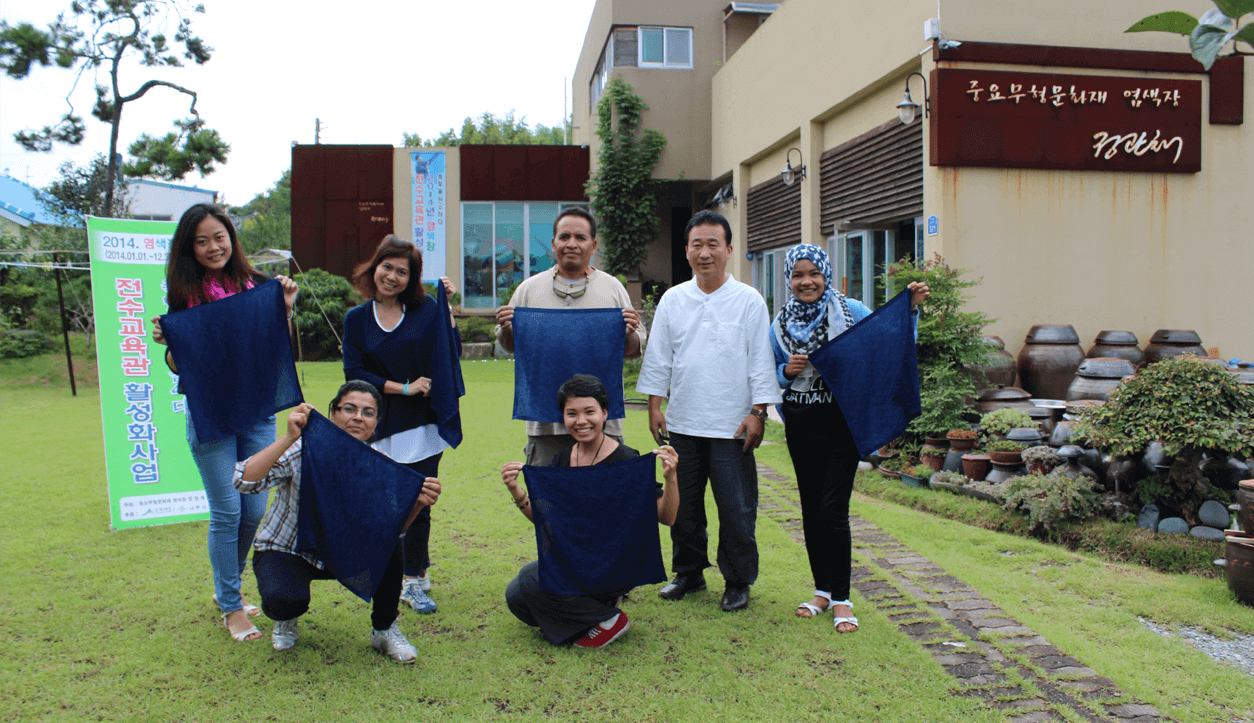
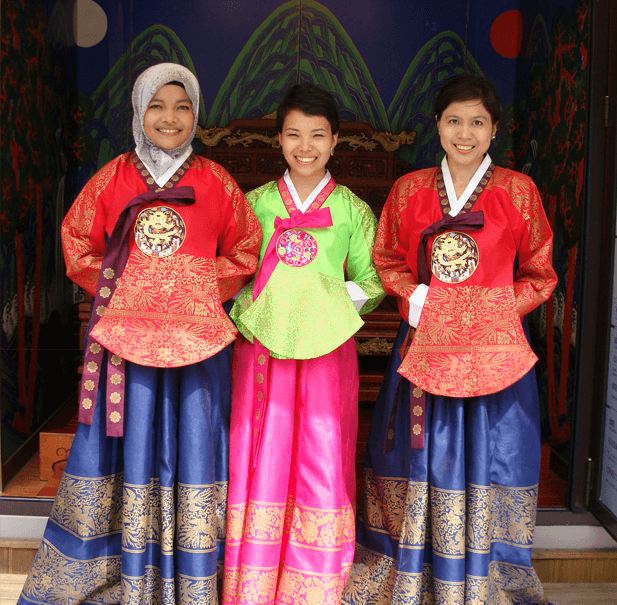
Furthermore, living in South Korea provided me with a wealth of experiences in a short period of time. Although my main purpose was to learn about the management of intangible cultural heritage, I ended up learning so much more—like the Korean language, food, Hanbok clothing, and the Hanok village of Koreans. I also gained insight into their work ethic, how they spend their leisure time, and how hiking on weekends is a popular activity because they really value health. All of these elements are part of their culture. The ICHCAP, as the co-host in Jeonju, played a significant role in organizing various activities that enriched our experience, both academically and socially. In addition, through this K-Office program, we had the opportunity to get to know participants from different countries, learn about what they had studied, and offer help to one another. These small things have bonded us together, and we are still connected to this day. This is what impressed me the most—the way the program helped build a lasting bond between us, even after the training had ended.
Q2.
What did you expect from the program?
Deciding to join the CPI Program is an opportunity for me to learn about the management of intangible cultural heritage in South Korea, a country that has made significant progress and grown rapidly in this area. Do you know, I first became familiar with Korea through the dramas Dae Jang Geum and Coffee Prince. That's why I’ve always wanted to experience the Korean way of life for myself. When I see this as an opportunity, I should not turn down. I expect that spending several months abroad will not only teach me the working methods, work cultural but also the lifestyle of the people there, and allow me to exchange ideas and build friendships with fellow participants from other countries.
Q4.
Were you able to apply what you learned or experienced
in your current work?
Absolutely. During my time there, I learned that the process of designation intangible cultural heritage takes a long time, and in some cases, it can take more than two years or may not even be designated at all. This is because they add an extra step to verify the work with local communities before proceeding. In contrast, in my agency’s previous operations, we would set a timeline and strive to complete everything within the specified time frame. What I learned there has helped me apply a new approach to my current work—that the process should be carried out with passion, considering all stakeholders, even those outside the office, as an essential part of the working mechanism. Otherwise, no matter how well the content is analyzed, if people who will be affected or who are meant to benefit from our projects do not value them, the project will be useless.
Q5.
How has your experience changed after participating
in the training?
The CPI program provided a unique platform to deepen my understanding of the role of culture in diplomacy, policy-making, and international relations. One of the most enriching aspects of the fellowship was the opportunity to explore South Korea's approach to cultural diplomacy, particularly its efforts to project soft power through initiatives like the Korean Wave (Hallyu), which has brought global attention to Korean music, film, fashion, and cuisine.
Once, ICHCAP managed the cultural excursion to Seoul. At that time, I realized that South Korea has managed to balance modernity with tradition, successfully revitalizing its cultural heritage while embracing new creative expressions. From the Dongdaemun Design Plaza in Seoul to the preservation of historic sites as Dongdaemun History & Culture Park, South Korea demonstrates that cultural heritage can be both a source of national pride and a driver of economic and social development.
Another aspect that left a lasting impression was the level of investment in cultural infrastructure. The government’s support for cultural institutions—such as museums, galleries, and performing arts centers (National Gugak Center)—has created a thriving ecosystem where both traditional and contemporary arts can flourish. Moreover, South Korea’s emphasis on fostering cultural entrepreneurship and supporting emerging artists through grants and initiatives was inspiring. It was clear that cultural policy in Korea is not only about preserving the past but also about fostering innovation and creativity for the future.
Q6.
Have you had any follow-up activities or projects with other
trainees, the training institution, or other Korean cultural
and artistic organizations? If so, please share your
experience.
Certainly, the program has led to several follow-up activities and collaborative projects with fellow trainees, as well as continued engagement with Korean cultural and artistic organizations.
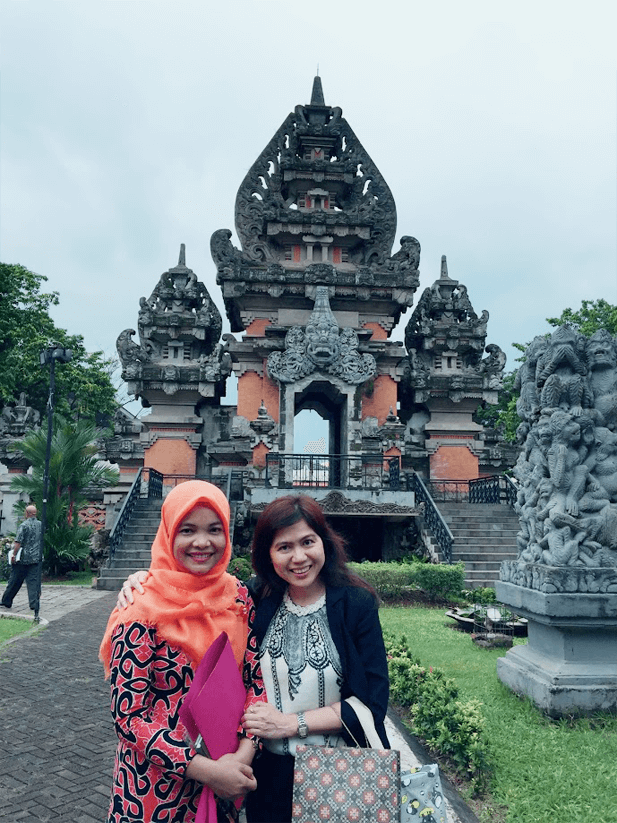
One of the most exciting opportunities that arose from the program was a collaborative project with Indonesian trainees to organize a meeting for intangible cultural heritage exhibitions and activities also observe the operation of The National Museum of Indonesia and Taman Mini Indah. We worked with the National Museum of Indonesia for the process of cultural resource management and museum’s roles to safeguarding intangible cultural heritage. This project brought together government official and experts from Indonesia and Thailand to discuss about intangible cultural heritage transmission. Not only did this project allow me to deepen my connections with CPI cultural professionals, but it also provided a platform for cross-cultural dialogue and collaboration.
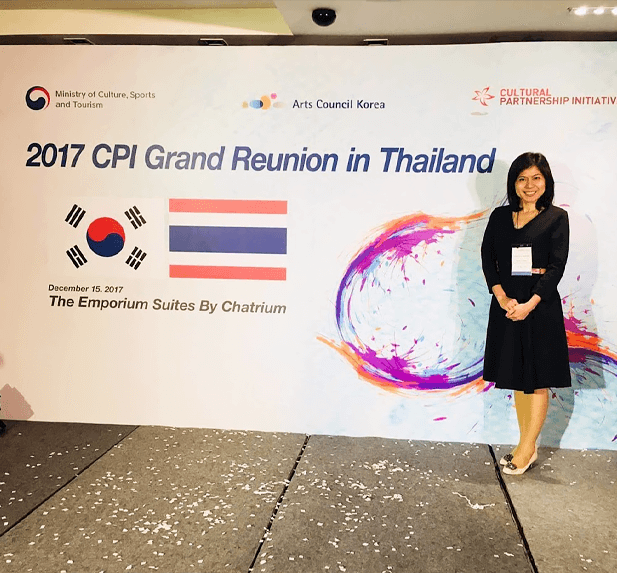
Additionally, I have continued to stay in touch with the training institution (ICHCAP) and Korean cultural organizations through networking events and follow-up seminars. These interactions have been invaluable, as they have allowed me to learn more about Korea's evolving intangible cultural heritage policies and safeguarding cultural projects. I’ve also been invited to participate in several online forums where experts from around the world discuss trends in safeguarding intangible cultural heritage events, which has been an excellent opportunity for professional growth and exchange.
Through these collaborations and follow-up activities, I’ve learned about the importance of fostering long-term relationships in the field of cultural management. By staying connected with the networks built during the CPI program, I have been able to leverage resources, share knowledge, and continue working on joint projects that further the goals of cultural understanding and mutual respect.
Q7.
What is your future plan in your professional field?
During my fellowship in intangible cultural heritage management in Jeonju, South Korea, I gained invaluable insights into the intersection of culture, community development, and sustainable practices. South Korea's approach to preserving cultural heritage while promoting innovation in the local wisdom provided me with the tools to design projects that are both culturally enriching and sustainable. By integrating principles from the fellowship into my future projects, I aim to contribute to the achievement of the United Nations' Sustainable Development Goals (SDGs), particularly in fostering inclusive, resilient, and sustainable societies (SDG 11), promoting quality education (SDG 4), and ensuring sustainable economic growth (SDG 8). I will apply cultural management strategies that emphasize the power of the traditional knowledge to drive community engagement, raise environmental awareness, and promote social inclusion. The lessons learned will guide my efforts in creating cultural initiatives that not only celebrate diversity but also empower marginalized communities, creating lasting social impact aligned with the broader global sustainability agenda.
Q8.
Is there anything else you want to share about CPI?
Definitely! A key takeaway from the CPI program was the concept of "culture as a catalyst."
K-office offers a unique opportunity to explore how cultural heritage and innovation can drive social and community transformation. South Korea's approach to blending traditional practices with modern advancements provides fellows with invaluable insights into how culture can be a powerful force for change. By participating in this program, trainees gain practical skills in cultural management, learning how to leverage culture to address contemporary challenges such as social inclusion, sustainable development, and economic growth. This program empowers individuals to become active agents of change, using cultural initiatives to foster unity, promote diversity, and create sustainable solutions that positively impact communities both locally and globally.

Ms. Hathairat Jiewjinda (Thailand)
2014 CPI Participant
National Economic and Social Development Council, Prime minister Office / Policy and Plan Analyst


