Interview with Kelera Dikakua
Greetings and best wishes to you. In our language, this phrase translates to Bula vinaka, which conveys the sentiment of wishing a good life to everyone.
In celebrating the 20th Anniversary of the Cultural Partnership Initiative Program under the Ministry of Culture, Sports and Tourism of the Republic of Korea, I would like to extend my heartfelt appreciation to this department for its exceptional performance and accomplishments in facilitating an internship program that allows international participants to immerse themselves in Korean culture, language, and lifestyle.
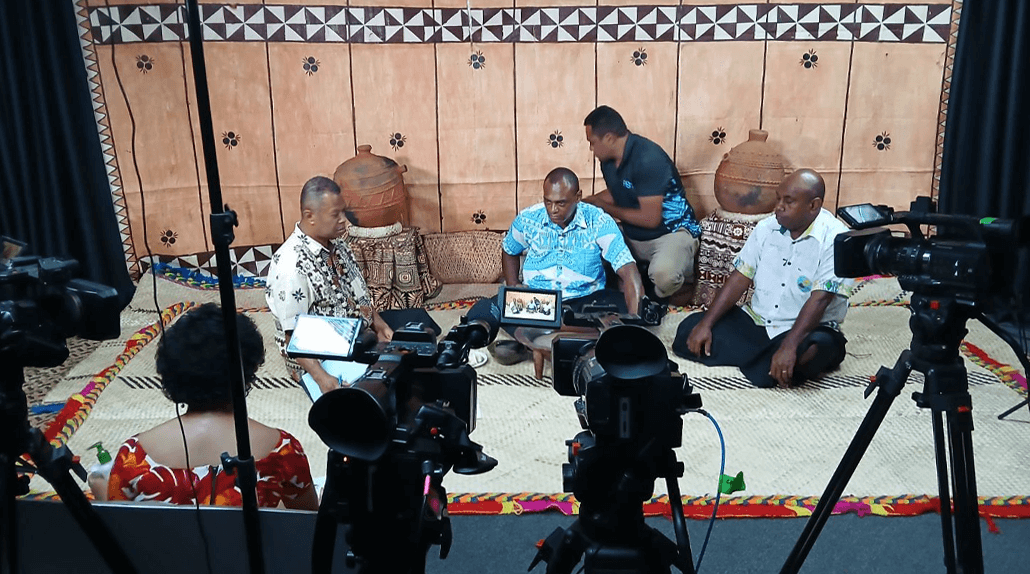
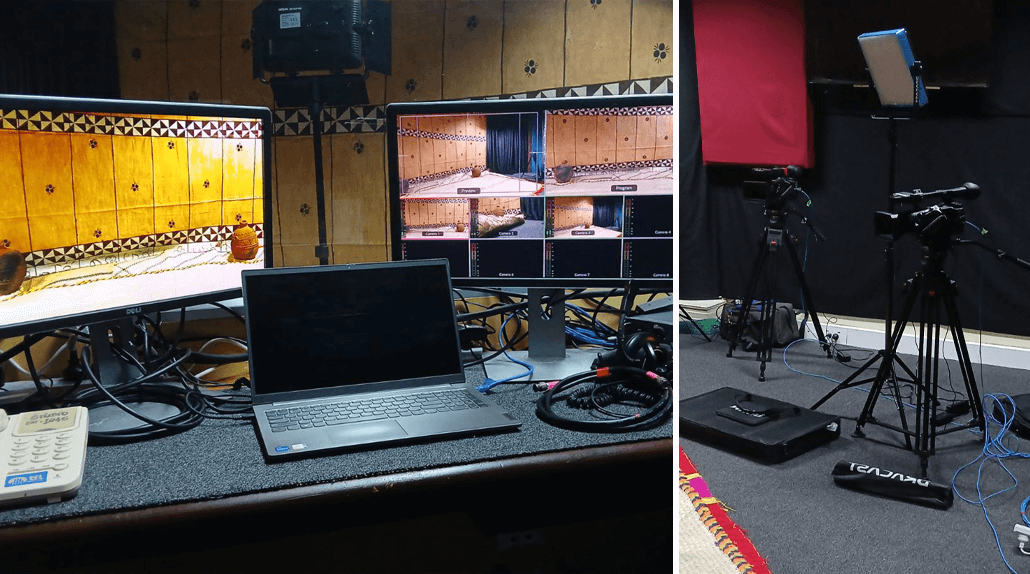
I am Kelera Dikakua, a 43-year-old officer at the Ministry of iTaukei Affairs, specifically within the Department of iTaukei Language and Culture. I participated in the CPI program in 2013 and have a specialization in media, focusing on videography and social media content creation aimed at promoting indigenous culture and language. My work encompasses the preservation of analogue tapes, digitization projects, graphic design for artworks, Facebook content creation, scriptwriting, video editing, documentary production, and recently, soundtrack recording, along with managing the overall operations of a studio.
I learned about this program through the International Information and Networking Centre for Intangible Cultural Heritage in the Asia-Pacific Region, which operates under UNESCO (ICHCAP). The objective was to examine the Korean Cultural Preservation Initiatives program, facilitating visits across the country to various sites, including museums, cultural centers, and the remarkable workshops of Living Human Treasures.
The thrill of being chosen for this internship was so intense that I approached it without any specific expectations, ready to embrace any unfamiliar experiences. I had not studied Korean culture and lacked any foundational knowledge about it. Thus, I entered the program with a blank slate, having only prepared to present on cultural topics from Fiji, particularly how Fiji has played a role in preserving the indigenous community's culture. I believed this would be a cultural exchange, so my focus was solely on my own culture and its preservation efforts, while remaining eager to learn about Korean culture and gain insights into their way of life.
The six-month internship provided a rich exploration of Korean culture, featuring activities such as Seocheon mosi weaving and a trip to Nami Island, celebrated for its breathtaking autumn scenery. The museums tours of different dynasties, Korean Film museum, landmarks wonder at Jeju island, cooking class of traditional Korean food with coffees taster and Starbucks Korea, traditional musical instrument at Gugak center and experienced the vibrant atmosphere of Busan, the traditional mask dance, a tea ceremony at Youngju, and a visit to the famous flower botanical park. Additionally, participated in workshops – workshop focused on digitization and restoration alongside a Vietnamese delegation, workshop on Reflection on the efforts to safeguard ICH and prospects for the future.
As I delved into Korean culture, I was impressed by the rapid pace of progress in the country. The economic growth has facilitated significant infrastructure projects, such as the construction of extensive highways, impressive air terminals, towering apartment complexes, well-maintained hospitals, and prestigious universities.
During my time in Daejeon, I was deeply impressed by the elderly residents and their community initiatives. Each morning, they diligently cleaned the roads, footpaths, and walkways, while the younger generation often passed by without acknowledging their efforts. This stark contrast caught my attention, prompting me to take a moment to sit and observe these senior citizens who selflessly contributed to the cleanliness of their town. I later learned that the Daejeon municipal council supports their activities.
Additionally, while commuting back to the hostel on the bus after work, I noticed that most passengers were engrossed in their mobile devices, seemingly oblivious to their surroundings. It was rare to see anyone looking up or taking in the view outside. My travels in Korea also included a daunting experience during rush hour in Seoul, where I felt suffocated by the crowd, unable to move. My friend found humor in my panic, but I had to pause outside the terminal to regain my composure. Reflecting on that moment now brings a smile, though it was quite frightening at the time.
While working at the ICHCAP office, I supported the team in organizing meetings and conferences, as well as in publishing the ICH Courier newsletter, which is frequently distributed across the Asia Pacific region to highlight best practices in safeguarding intangible cultural heritage. Despite a demanding schedule, we participated in symposiums and attended lectures focused on preservation practices and the integration of culture into economic development. Our visits to studios for Living Human Treasures allowed us to experience various cultural practices in Korea, reinforcing the idea that culture serves as a universal vehicle for humanity, with shared underlying values despite diverse expressions.
Initially, I perceived the program as a university course aimed at earning a degree in culture and preservation practices. However, I soon discovered that it encompassed a broader range of studies, including sports and music, and provided opportunities to observe cultural practices throughout Korea. I felt truly fortunate to have participated in this enriching program.
The experience gained from the program enhances our team's efforts in the preservation and promotion of culture through various activities such as documentary production, social media content creation, book publishing, and the development of infographics and graphical artworks, all supported by expatriates.
This initiative fosters a robust connection between our office and ICHCAP, enabling us to undertake diverse projects, including the coordination of international conferences, the publication of multiple books, and the sharing of information on cultural practices.
Additionally, the program facilitates valuable cultural exchanges, allowing participants to engage in discussions on the various projects we have undertaken, including their advantages and challenges. We recognize that many of the obstacles we encounter are shared by other countries, reinforcing the notion that we are not alone in our mission to preserve traditions and culture. Personally, I have come to appreciate that our differences are a source of strength, and despite the geographical distances in our global community, we remain united as a human race, sharing universal values while expressing them in unique ways.
Wishing everyone a joyful and memorable celebration for the 20th Anniversary of the Cultural Partnership Initiative Program.
Kelera Dikakua (Fiji)
2013 CPI Participant
Executive Officer, Department of iTaukei Language and Culture, Ministry of iTaukei Affairs


