My Golden Days spent in Korea
Q1.
Please briefly introduce yourself and your professional field
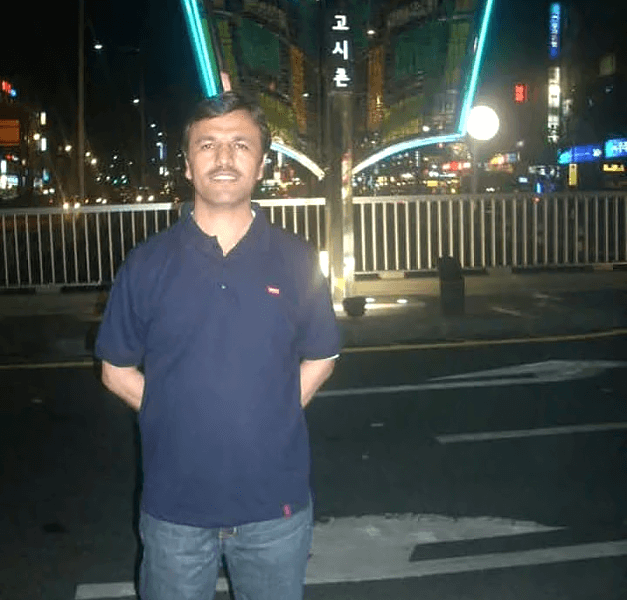
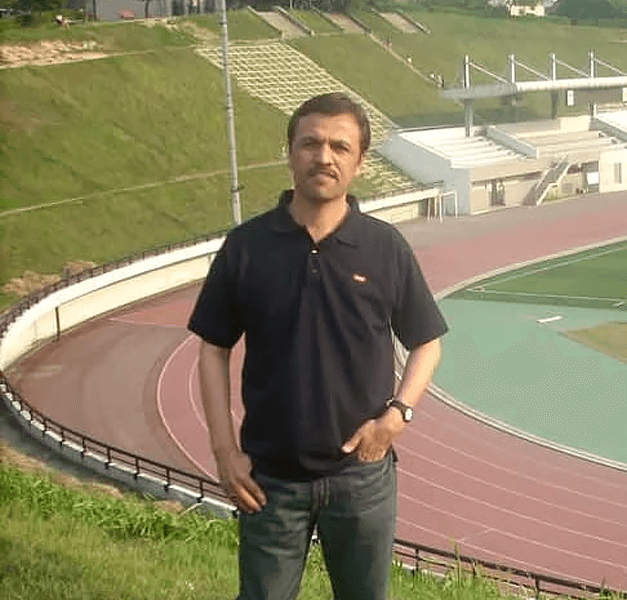
My name is Israr Ahmed, and I work as the Deputy Director at the National Library of Pakistan, Islamabad. My main roles include heading the Reader Services Department and managing International Cooperation. I am a professional librarian with a Master’s degree in Library and Information Science. With over ten years of experience, I focus on improving library services, integrating modern technologies, and making libraries accessible to everyone. My goal is to transform libraries into key centers for learning and community development.
Q3.
What did you learn or experience from the training?
What impressed you the most about the program?
The training provided me with valuable knowledge about modern library technologies, such as automated cataloging, digital archives, and user-friendly services. I also learned basic Korean, which helped me understand the culture better. Experiencing Korea’s efficient public transport, clean environment, and organized systems was inspiring.
What impressed me the most was the warm hospitality of the CPI team. Their careful planning and attention to every detail made the experience not only educational but also enjoyable. Their kindness and professionalism left a lasting impression on me.
Q6.
How has the program changed the way you see your field?
The program has completely changed my view of library science. I now see libraries as more than places for books—they are centers for learning, innovation, and creativity. The advanced library systems I saw in Korea, with their focus on technology and user satisfaction, showed me how libraries can adapt to the digital age.
This has inspired me to modernize libraries in Pakistan, making them more accessible and impactful. I now believe that libraries have a key role in education, cultural preservation, and community development.
Q8.
How do you envision the impact of your training
on your organization or community in the coming years?
The training will have a long-term impact on my organization and the community. Pakistan is planning to establish a Digital Library, and the knowledge I gained from Korea will help guide this project. I am working to introduce digital tools and user-friendly systems to improve library services.
In the community, these changes will promote learning, creativity, and access to information. Libraries will become more welcoming and interactive spaces, supporting education and innovation. I believe these improvements will strengthen the role of libraries in Pakistan.
Q9.
Have you had any follow-up activities or projects with other
trainees, the training institution, or other Korean cultural and
artistic organizations? If so, please share your experience?
While no major projects have started yet, I stay in touch with other trainees and Korean organizations. We regularly share ideas and discuss possible collaborations. For example, I am exploring the idea of organizing workshops on digital preservation and cultural heritage, inspired by what I learned in Korea.
These follow-ups reflect my commitment to building on the relationships and knowledge gained during the program. I hope to develop projects that benefit both Pakistan and Korea in the future.
Q2.
What made you decided to join the CPI program?
I decided to join the CPI program because it was a great opportunity to visit Korea, a country I admire for its culture, advanced technology, and high-quality education. My main expectation was to learn about modern library technologies and practices that could improve our libraries in Pakistan. I also wanted to experience Korea’s rich heritage, delicious food, and modern way of life. Additionally, I hoped to build professional connections and learn from experts in the field.
Q4.
Were you able to apply what you learned or experienced
in your current work?
Yes, I applied many things I learned during the training. I now focus on providing better guidance to library users, ensuring professional and helpful service. Inspired by Korea’s advanced libraries, I am advocating for adopting modern tools, like digital systems, at the National Library of Pakistan.
These changes have improved the quality of our services and encouraged users to make better use of library resources. The training has also motivated me to think creatively and solve problems more effectively.
Q5.
How has your experience changed after participating
in the training?
The training has changed me both professionally and personally. Professionally, I now approach my work with a broader perspective, aiming to bring innovation and efficiency to library services. I am more confident in introducing new ideas and collaborating with others.
On a personal level, I have become more disciplined, polite, and culturally aware. The program taught me the value of teamwork, respect, and adaptability. These qualities have improved my interactions with colleagues and library users, making me a better professional.
Q7.
Did you form any lasting relationships or networks from
the program? How have those connections been beneficial?
Yes, I built strong relationships with other participants, trainers, and Korean professionals. These connections have been very beneficial. I regularly communicate with fellow trainees, exchanging ideas and learning from their experiences.
When Korean visitors come to the National Library of Pakistan, I feel proud to assist them and represent the strong bond between our countries. These relationships have also opened doors for possible collaborations, such as joint projects and knowledge-sharing initiatives.
10.
What are your future plan in your professional field?
My future plans include specializing in preserving rare books and manuscripts, an area where Korea has great expertise. I hope to pursue advanced training in this field to contribute more effectively to protecting Pakistan’s cultural heritage.
I also plan to continue modernizing libraries in Pakistan by introducing innovative technologies and best practices. My goal is to transform libraries into dynamic spaces that inspire learning and creativity, making them accessible to everyone.
11.
Would recommend the CPI to other cultural professionals?
Is there anything else you want to share about CPI?
Yes, I would strongly recommend the CPI program to other cultural professionals. It is a unique and life-changing experience. The program not only enhances professional skills but also provides deep cultural insights and the chance to build valuable networks.
For me, CPI has been a turning point in my career. It has improved my skills, broadened my perspective, and made me more confident and adaptable. The program’s focus on innovation, teamwork, and hospitality has inspired me to approach my work with a fresh mindset. CPI is not just training—it is an opportunity for personal and professional growth, and I am truly grateful for the experience.
ISRAR AHMED (PAKISTAN)
2011 CPI Participant
Deputy Director at the National Library of Pakistan, Islamabad


