Korean Language and Culture Expert in the University of the Philippines
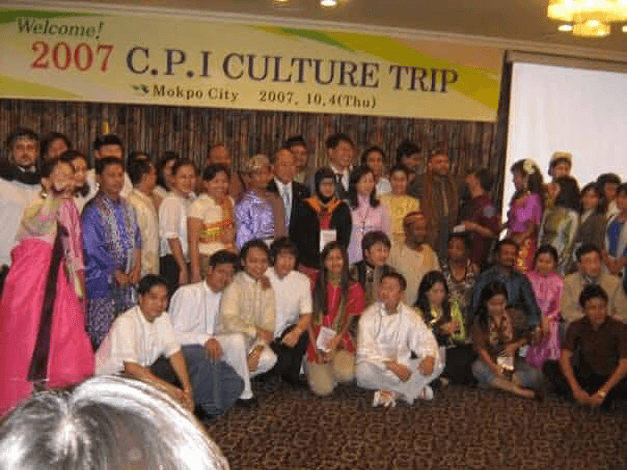
2007 CPI Culture Trip
Mokpo City
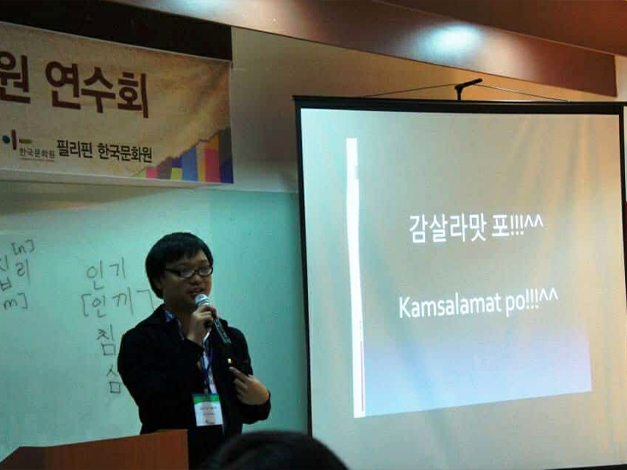
Korean Language Seminar for Korean Teachers in the Philippines
Korean Cultural Center in the Philippines
Q1.
Please briefly introduce yourself and your professional field
I am Jay-Ar M. Igno from the University of the Philippines, Diliman, Department of Linguistics. I am teaching Linguistics and Korean Language classes to university students in our regular classes, as well as, to non-regular students who are just interested in learning Korean language through our extramural classes. I also serves as the Coordinator of the Office of Student Projects and Activities and as Officer-in-Charge of the Office of the Vice Chancellor for Student Affairs in the university.
Q2.
What made you decided to join the CPI program?
What did you expect from the program?
I joined the CPI Program way back in 2007 to actually gain the knowledge and skills of the Korean language in order for me to become a teacher and join the University of the Philippines Department of Linguistics in teaching Asian languages. I expected that after the program and training, I will be able to come back to the university and handle at least basic Korean language courses but it exceeded my expectations. From 2008, I was able to handle beginner Korean language courses up to intermediate classes, as well as integrating Korean language and culture.
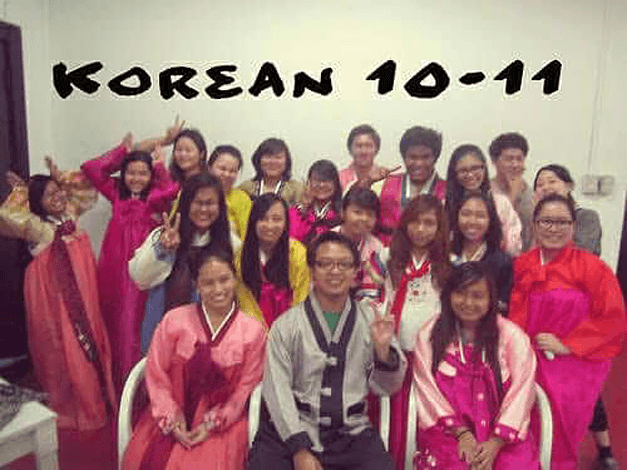
Korean Language Class (Final Day) University of the Philippines, Diliman
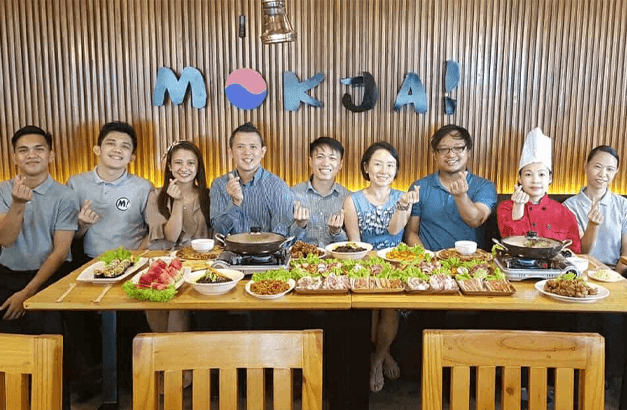
Mokja Korean Restaurant (established with colleagues and friends) 2016-2020
Q3.
What did you learn or experience from the training?
What impressed you the most about the program?
I learned a lot about the language, particularly the structures of its grammar and how to teach it to non-native Korean learners. Since I had an extensive Korean language classes in Kyung Hee University, Institute of International Education, I was able to learn from the basics up to the peculiarities of the Korean grammar and was able to reflect on that experience in order for me to share that knowledge and wisdom to Filipino students in our university. I was also able to learn a lot about Korean culture through our Educational Trips and Cultural Activities sponsored by the CPI and our host institutions, in my case, it was the then International Korean Language Foundation. I really loved how my program was handled then since it had the balance between learning the Korean language and culture, as well as immersion and integration with the Korean community. Until now, I can still share with my students all of my experiences I gained in Korea.
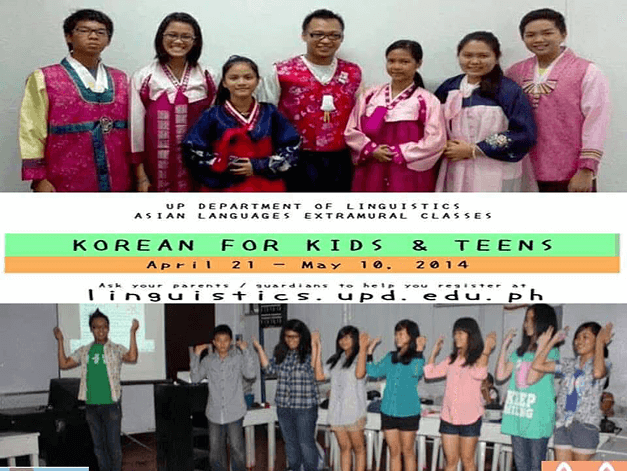
Korean for Kids and Teens
Q4.
How has your experience changed after participating
in the training?
My career became more fruitful. I can teach Korean language and culture, do translation works and interpretation jobs, and enjoy a lot of perks of having a high proficiency in the Korean language. My participation in the CPI program developed in me a deep sense of responsibility especially in the value of education and language policies through extensive research and collaborative works.
Q5.
Did you form any lasting relationships or networks from
the program? How have those connections been beneficial?
Yes. Since I got back to the Philippines in 2008, there were around eight (8) friends and colleagues from the CPI Program who have visited me here in the Philippines. I have also visited many of my Korean language teachers and friends in Korea when I got back there for official work or just simply visiting them. Also, through social media and other platforms, our connection and communications have not been declined since then. I can see more collaborations and sustainable partnerships in the coming years.
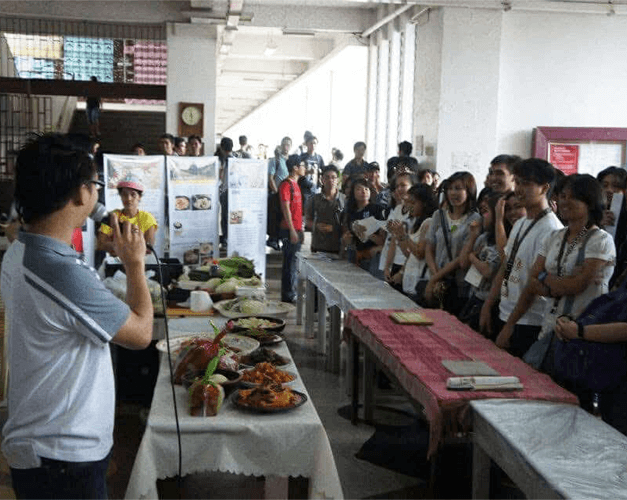
Kimchi Making Demonstration
Q6.
What are your future plans in your professional field?
I plan to continue teaching Korean language and culture until I retire in this field. We have been successful as well in establishing a double major in Linguistics and Korean language in our department. And just recently, we have been successful as well in establishing two (2) additional classes of Korea Studies for our undergraduate students under the Center of International Studies. So, in the coming years, we plan to institute more courses in Korea Studies until it becomes a full-blown undergraduate degree program. Also, I plan to continue spearheading activities and organizing events promoting Korean language and culture to our students, faculty and staff, and the community. In order to foster more ties and partnerships with the Korean government and different institutions, it is also my pride to serve as the communication channel for the CPI programs to be disseminated here in the Philippines.
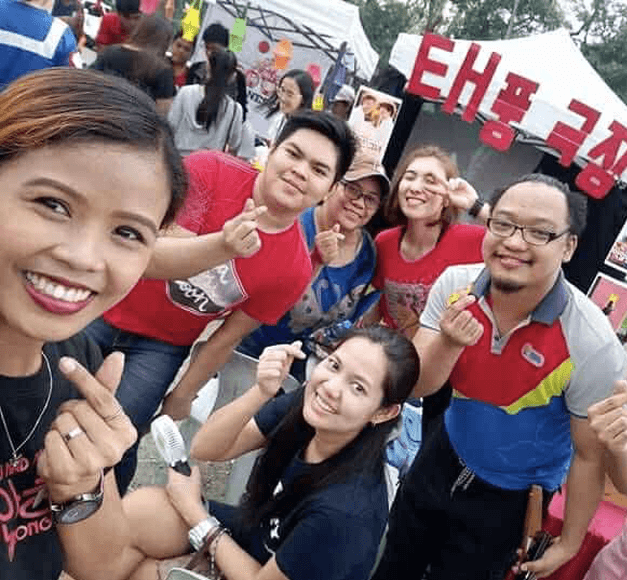
Korean Film Viewing Asian Culture Festival
Q7.
Would recommend the CPI to other cultural professionals?
Is there anything else you want to share about CPI?
Yes. Just like what I have been doing since I finished my program under the CPI training, I always promote the CPI’s call for participants, especially to our Korean language students and graduates. I really commend this program and explain to my students that the Philippine government should learn from the experience of South Korea in organizing such a great program like CPI. I also always look back and associate my success to the training that I have gained from the CPI program, and to add to that, I also have gained a lot of friends and connections not just with South Korea, but to the world.
Jay-Ar M. Igno (The Philippines)
CPI year : September 2007 - March 2008
Korean Language and Linguistics Professor, Department of Linguistics, College of Social Sciences and Philosophy
University of the Philippines, Diliman


