[Interview] Bernard Ntahondi
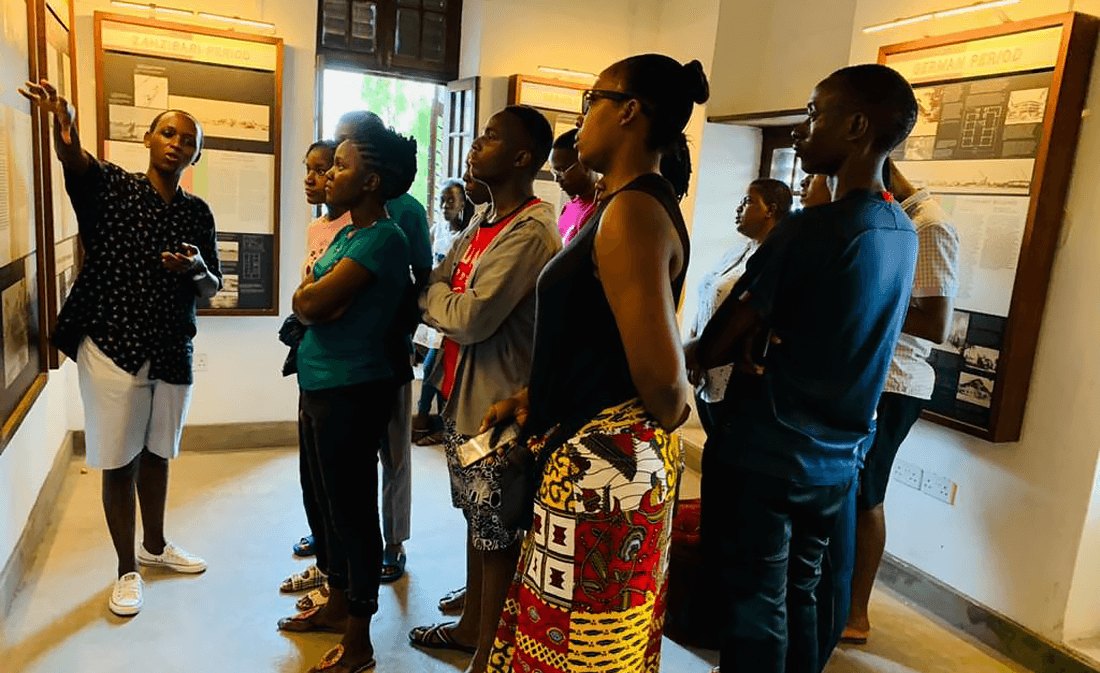

Hello, I'm Bernard Ntahondi, a Tanzanian professional with a background in Cultural Heritage Management. I hold an Honors Bachelor of Arts degree from the University of Dar Es Salaam. Currently, I'm engaged with Ajabu Ajabu Audio-Visual House, serving as a Screenwriter and Curator for Short Century African Films.
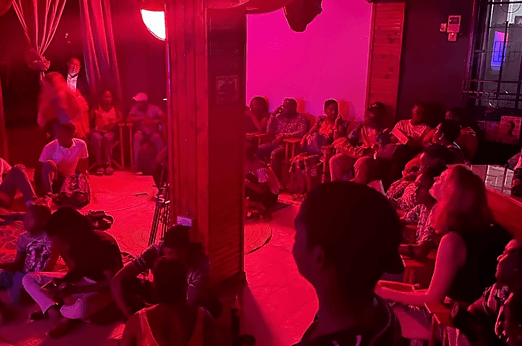
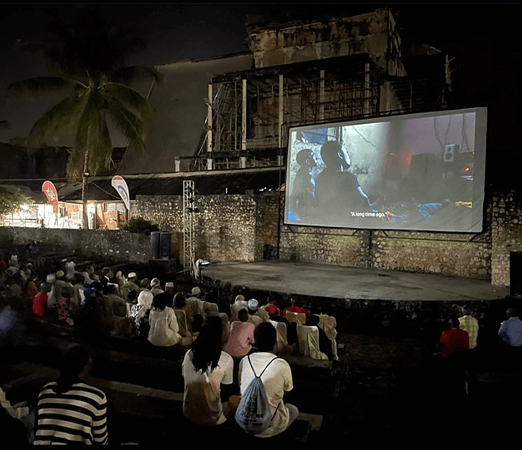
Ajabu is an audio-visual house and collective of practitioners based locally in Dar es Salaam, Tanzania, whom are actively devoted to the preservation of stories and storytelling practices across time. I am currently working with them as curator and historian. My work involves hosting Short Century Films. These are films from 1945 to 1994 that were set in African continent.
The films depict cultures and the struggles of African countries to gain independence from colonialism. At the same time, the films explain the socio-economic challenges that these newly independent countries faced, suggesting ways forward and fostering dialogue between audiences and filmmakers. Prior to this, I have also worked as a curator at National Museum of Tanzania, Dar Es Salaam Center for Architectural Heritage (DARCH), and Isimilia Stone Museum.
In my current role, I've successfully organized workshops and exhibitions, such as the Feminist Soundscapes workshop and the "Hadithi Hadithi Once upon a time" workshop, contributing to the exploration and technical training in field recording and production. Notably, I've screened over one hundred short-century African films, reflecting diverse cultures and traditions, leading discussions with film directors and guests after each screening.

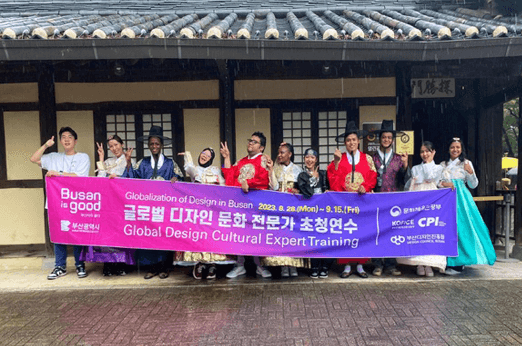
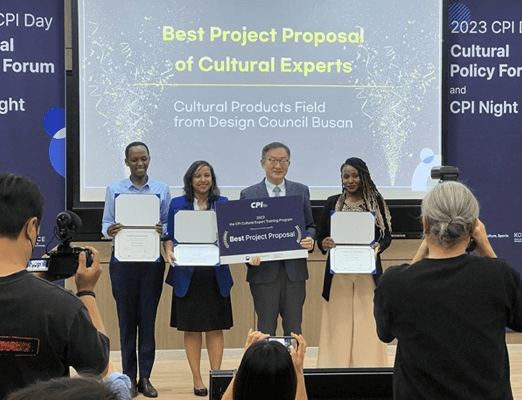
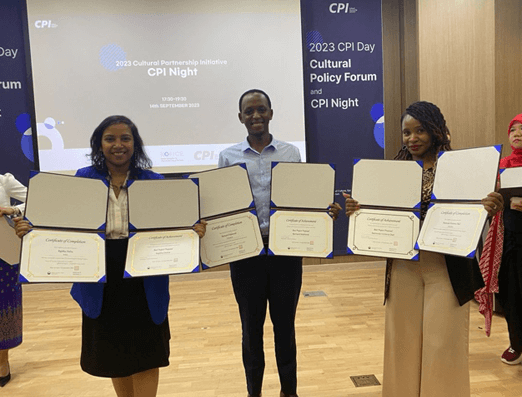
I have been able to participate in different courses, both national and international. In 2020, I participated in Future Team on #WeAreTogether Marathon which was held in Moscow Russia. In 2021, I was part of the Bang & Lee Curatorial exchange workshop with South Korean Curators and artists, participated in the Remembering Colonial period exchange program in Germany in 2023, attended a Screenwriting workshop organized by Off-Court France and Ajabu Ajabu Audio-Visual in 2023, and in August 2023, I participated in Cultural Expert Training Program in Busan, South Korea.

Tanzania has always been home to rich cultural traditions and expressive practices, from traditional dances (ngoma) to singeli, from henna tattooing to abstract contemporary art, and dozens of other art forms and media. Yet the process of developing a truly resilient ecosystem and economy of creative artists, workers, spaces, and platforms is a long journey. While people may always find ways to explore their artistic creativity, it cannot be taken for granted that they can do so with knowledge, safety and freedom, which results from economic, political, and social opportunities, support and stability.
The role of the arts in imagining and manifesting tomorrow's world depends on building this foundation. And this foundation is attained only by gaining knowledge in program such as Cultural Expert Training program. The CPI Program provided the foundations and built us, as young cultural and heritage managers in different aspects especially through capacity building in developing and markerting cultural products.

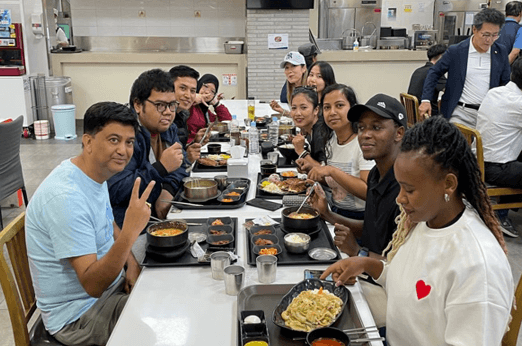
The 2023 Cultural Partnership Initiative “Cultural Expert Training” included both online preliminary training and invitational training in Korea. I was delighted to attend both online and offline trainings.
In online training we covered series of Topics ranging from Introduction to CPI, planning for Cultural programs, Reinforcing Skill for Project Planning, developing a Project with Cultural Resources and Cultural contents (Policy & Case study) just to mention few.
At the same time, I Joined the offline training Organized by Design Council of Busan (DCB) in Busan.
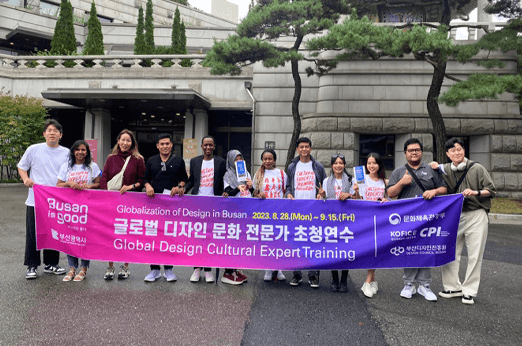
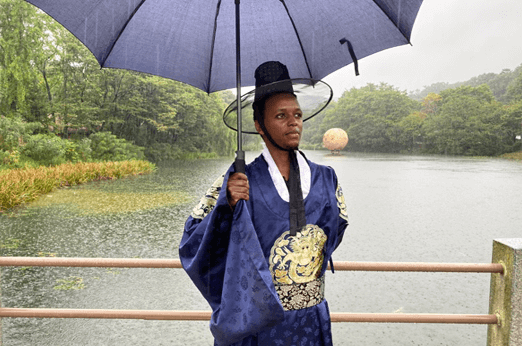
It was a wonderful experience to be able to join other Participants from different nations around the world with different cultural backgrounds. We were fortunate enough to take our training at Design Council of Busan and Dongseo University. We also visited many places including Museums, Cultural villages, Theaters, Temples and places of worship, Art exhibitions, Curio shops and many other places as part of our case studies.
Above all I had opportunity to learn, experience Korean culture, and connect with cultural experts from various countries.

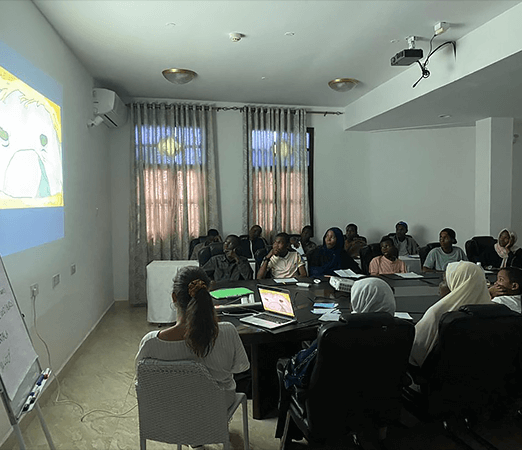
Upon completion of the training, I currently utilize the gained knowledge for the benefit of art, culture and our communities. With the help of my organization, I have organized three days training to secondary students that aimed to introduce them into Art and culture challenges and opportunities which helped them to understand how Art, culture and capacity building contributes to strengthen Tanzania's creative ecosystem by building the professional skills and networks of artists and increasing appreciation for the arts across society.
Meanwhile, I am working to:
- Increase public and private support for cultural products and investment in the arts and culture industry. This is only possible through motivating and encouraging production of artistic and creative work.
- Contribute to increase independence and resilience of professional artists and cultural spaces. Through facilitating artitic partnership, exchange and creating platform for artist to sell and promote their work.
- look to build synergies and collaborations between artists and arts stakeholders through contributing to inclusive access to the art for communities with limited opportunities.


With the knowledge acquired, I am looking forward to contribute toward the implementation of different policies in my country. This will include the following methods but not limited to:
- Information and Research: I am looking to provide up-to-date information and research on film policies, industry trends, and best practices from around the world including sharing my Busan Film Festival experience. I believe this will enable informed decisions and the development of strategies.
- Policy Analysis: This will include sitting with proffesionals to analyze existing film policies in Tanzania and provide insights on their strengths, weaknesses, and potential areas for improvement. This analysis will assist in the formulation of more comprehensive and impactful policies.
- Stakeholder Engagement: Currently, I am organising virtual discussions and conversations among filmmakers, industry associations, government officials, and other stakeholders in Tanzania. This will foster collaborations, exchange of ideas and development of partnerships to drive the growth and sustainability of the film sector.
- Awareness and Education: So far, I have been able to organise one workshop with Secondary school students and am eager to help raise awareness about the importance of culture and film industry and its potential impact on economic growth, cultural expression, and tourism in Tanzania. Iam looking for different funds to help me fund this series of education workshops aiming to provide education resources and promote knowledge-sharing initiatives to artsts, filmmakers and cultural experts.
- Content Creation: I am also now working with my team on the creation of promotional content, including articles, blog posts, and social media campaigns, to showcase Tanzanian films, talents, and shooting locations. We believe this will help attract domestic and international investments as well as increase the visibility of the Tanzania art and culture.
It's important to note that while I can provide valuable insights and support, the implementation of film policies ultimately relies on the collective efforts of policymakers, industry professionals, and stakeholders in Tanzania.

Would I recommend it? Absolutely, I would wholeheartedly recommend this program to cultural and artistic experts not only from my country but also from around the world. The program's rich content, engaging approach, and the valuable insights it provides make it a standout education experience. I believe that individuals seeking a program that seamlessly integrates theory with practical applications, while fostering a collaborative and supportive community, will find tremendous value in what CPI offers.
Apart from that I want to express my sincere gratitude for the incredible experience I had in participating in "2023 Cultural Expert Training". It has been an enlightening journey that surpassed my expectations in every aspect. The comprehensive curriculum and engaging sessions not only expanded my knowledge but also provided practical insights that I can apply in my professional life.
I really appreciate the support and guidance from Design Council of Busan (DCB) team, Dongseo University, D. CAMP in Busan, People of the Republic of Korea, Cultural institutions Both in Busan and Seoul and mentors support that were invaluable, fostering an environment conducive to learn and growth. The program multimodal approach, combining textual content with visual aids, significantly enhanced the overall learning experience. The carefully curated materials and interactive elements created a dynamic and stimulating atmosphere. I appreciate the thought and effort invested in ensuring that participants like myself receive a well-rounded education.
This program has undoubtedly had a positive impact on my skills and perspective. Thank you, CPI, KOFICE, and Ministry of Culture, Sports and Tourism for your commitment to excellence and for providing a platform that truly makes a difference. I look forward to continuing my journey with the knowledge and inspiration gained from this exceptional program.

Bernard Ntahondi
2023 CPI Cultural Experts Training Program Participant
Curator, Ajabu Ajabu Audio-Visual House, Tanzania


