KOFICE, the CPI Secretariat Interview
Kim Eun-hee, Yoo Eun-jeong, Baek Ju-hee (Human Resource Development Team of KOFICE)

Korea Foundation for International Cultural Exchange (KOFICE) is the administrator of the CPI Program and a host of other international cultural exchange projects under the vision of A Network Hub Connecting Korea and the World through Culture. We met up with Team Director Kim Eun-hee, Manager Yoo Eun-jeong and Baek Ju-hee of Human Resource Development Team to talk about their experiences with the CPI Program.
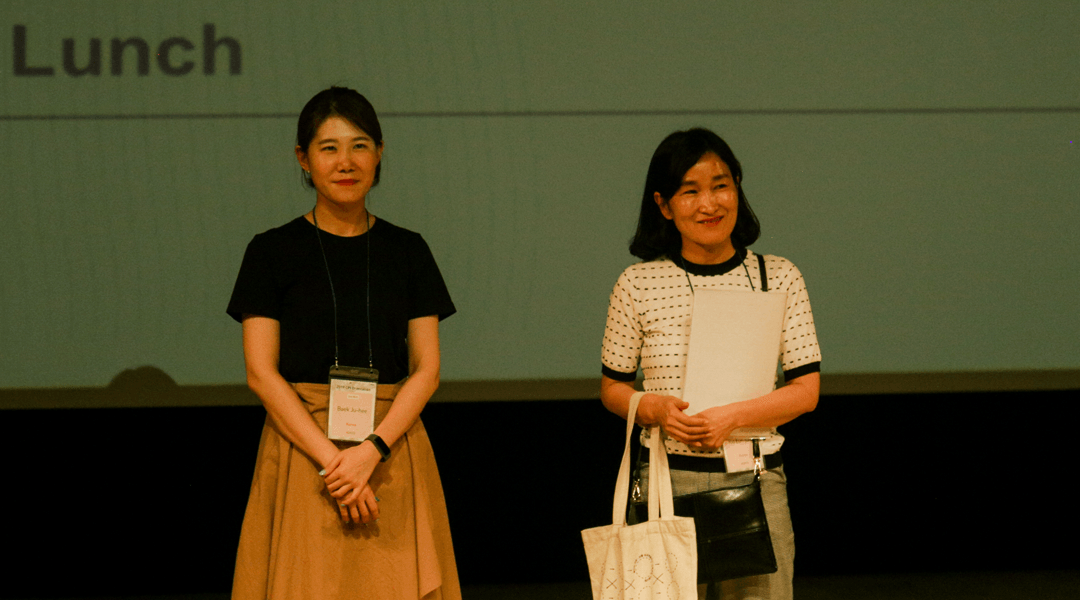
01. First off, let's start with a short introduction of yourselves and your role in the CPI Program.
YOO : Moija, dear CPI Participant. I am truly happy to have the opportunity to speak with you, even if it is through a webzine. I'm in charge of establishing and executing the annual plan of the CPI Program. I've been in many positions in KOFICE, but I must say that the CPI Program was the most rewarding one for me. Especially when I hear about the great things that our participant have gone on to achieve.
BAEK : Hi, I work alongside Yoo in the CPI Program. Specifically, I'm in charge of communication with the alumni through the SNS channel and webzines, and follow-up workshops and overseas reunion. Being able to stay in touch with the alumni of the CPI Program is the best part of the job, and a source of great pleasure for me.
02.
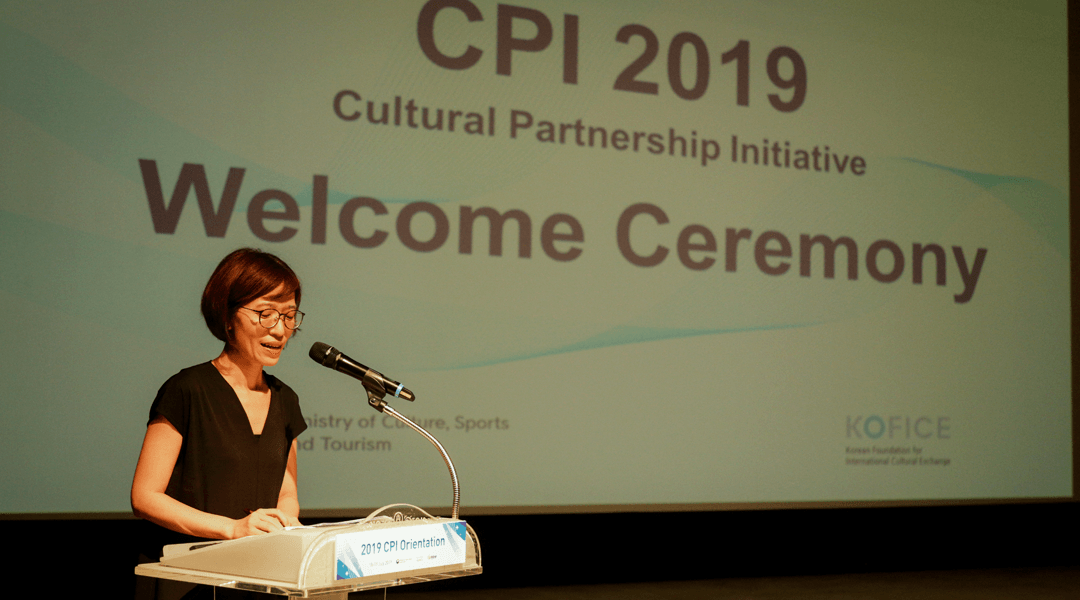
KOFICE took over the secretariat duties of the CPI Program last year.
Can you explain what the KOFICE does as the secretariat of the CPI Program?
KIM : As the secretariat for CPI program, the main role of the KOFICE is to organize the whole program; building up annual plan, calling for training organizations, supporting operation of training residency programs of each organization, monitoring and evaluating each program, promoting the CPI program, and so on. Since last year, we’ve thought it would be very important to invigorate networks in the CPI program among the participants and organizations.
As a part of this, we started to update the information of the CPI participants this year, to keep track of them. We believe this will be very important to know more about the participants and what’s happening after program, and also to make new possibilities for more exchange and collaboration in the CPI.
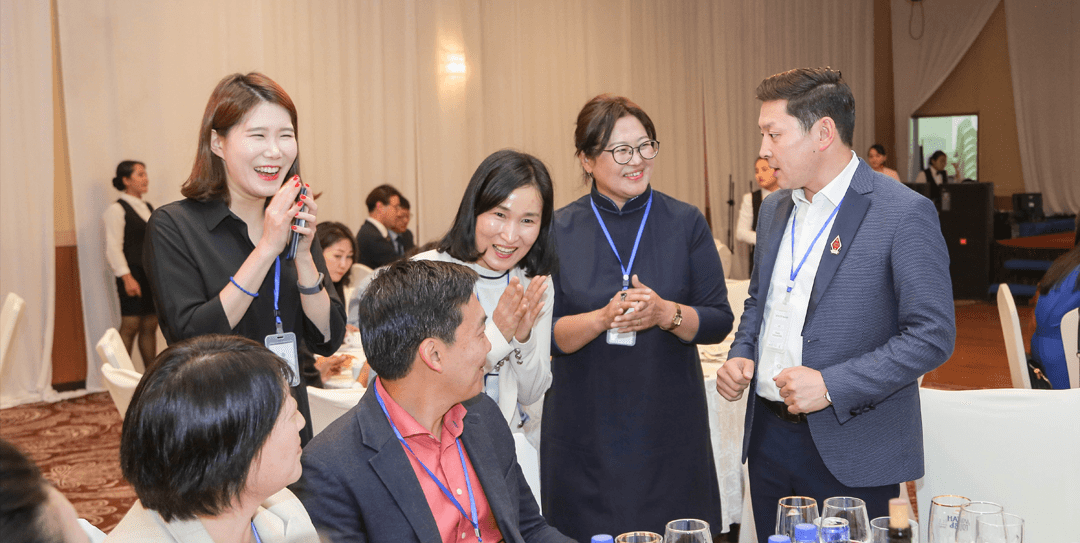
03. Has the KOFICE brought anything new to the table since taking over the secretariat duties in 2018?
BAEK : Yes, there has been a number of new changes to the CPI Program since KOFICE took over.
Firstly, KOFICE has implemented a number of follow-up support projects to expand upon the mid- to long-term successes of the alumni. This involves not only the mid- and long-term cooperative projects, where the host institutes invite the alumni for new projects, but also the new addition of follow-up workshops where the alumni have a chance to invite Korean professionals to their home country for their own workshop. This year's follow-up workshops included traditional music and library workshops in Sri Lanka and Uzbekistan. This year also saw the first CPI Reunion event to be held in Ulaanbaatar, Mongolia.
Although Mongolia had the second largest number of participants in the CPI Program, the CPI Reunion event only came to Mongolia this year. We had a wonderful and meaningful time as we met up with familiar faces once again.
This year also introduced the post-evaluation program for the first time. The Post-evaluation program involves the participants of 2014 and 2017 giving their reviews on the impact or effect of the CPI Program in their respective fields, and their input on the directions of CPI's future.
These new developments represent the efforts that we at KOFICE have made to create new methods of sustaining communication and exchange with our alumni. We at the CPI Office pledge to give our best to guarantee the effectiveness and sustainability of our projects in the future.

04.
KOFICE took over the secretariat duties of the CPI Program last year.
Can you explain what the KOFICE does as the secretariat of the CPI Program?
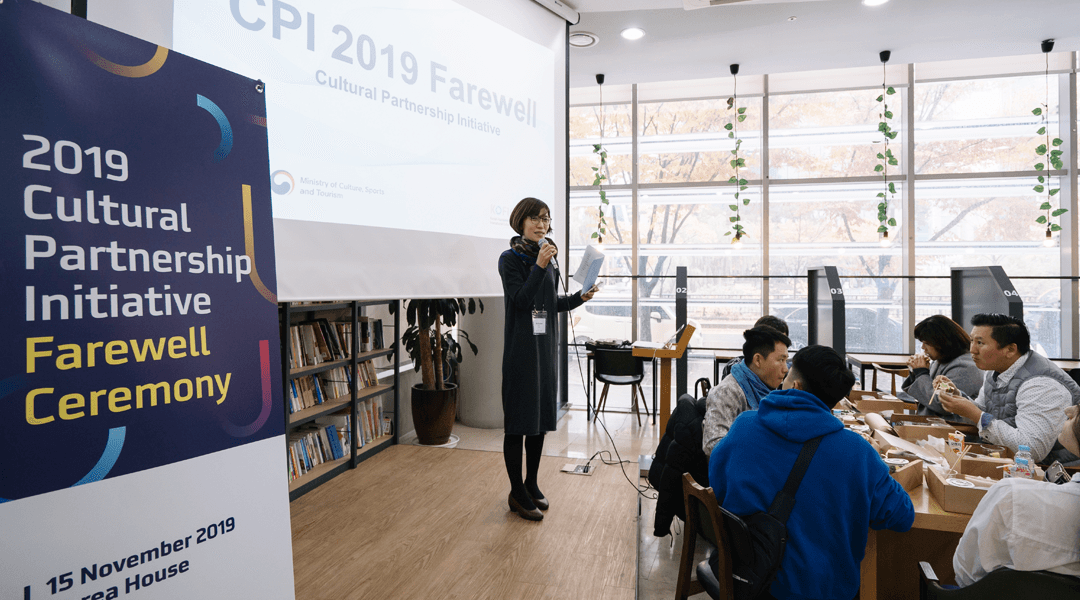
YOO : I felt a great sense of reward in hosting the CPI Reunion in Mongolia this year. Even though some years had passed since then, many participants welcomed us warmly. In particular, the CPI Reunion included a presentation on the examples of exchange programs between Korea and Mongolia, which showed us how important the role of the CPI Program was in building bridges between Korea and Mongolia. This is significant because one of the aims of this project is to promote country-level exchanges between Korea and participating countries.
BAEK : Indeed. The Reunion was really special for me as well. For me, what I found to be really special was interviewing the participants for the CPI webzine.
During these interviews, I was able to really feel how passionately and seriously the participants engaged with the project, and how meaningful the CPI Program was for their plans thereafter.
YOO : Of course, there are some areas we could definitely improve as well. For one, there's not much opportunity for KOFICE to interact with the participants during their stay in Korea. Since we take on a managerial role, rather than hosting the participants, we don't really have a lot of opportunity to engage with them. If we could, I would like to expand upon such opportunities next year. That would give us more space to interact with the participants in different areas.
BAEK : I agree. I also hope that KOFICE, as the secretariat of the CPI Program, can have more opportunities to interact more closely with the participants.

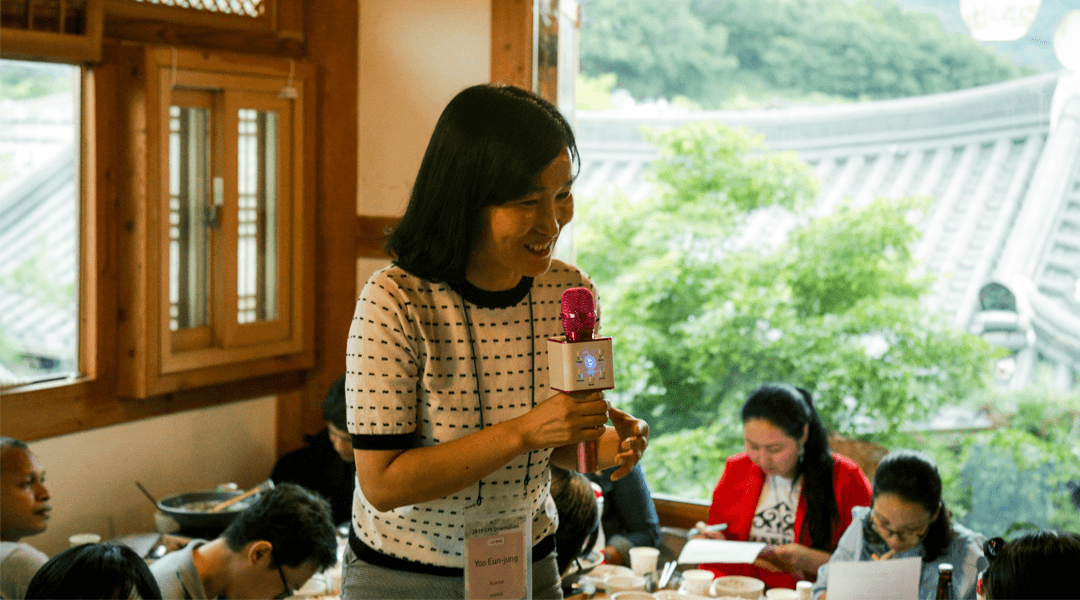
05. Do you have anything you would like to say to the alumni of the CPI Program and its future participants?
KIM : As mentioned above, we’d like to be close with all participants. CPI program started from 2005, but the KOFICE has just joined from the last year. The name of the KOFICE may be still unfamiliar or new to many, but sincerely we’d like to know more about and to listen more from the CPI participants; what they are doing, what changes have come after the program, what they want to do in terms of exchanges and collaborations with Korea, how the program can be developed further, and so on. If there are any news to share with us or other CPI participants, please let us know. We can be reached by email(cpi@kofice.or.kr) or Facebook(www.facebook.com/culturefriends). We really hope to be near to everyone all the time.
YOO : (to future participants) I personally think that the opportunity to leave your own society for a short while and live in a different one is really valuable. I also think that creating something together with other like-minded people from institutes and groups in another country is also a really life-affirming process. The CPI Program can also give you a chance to interact with participants from other countries and their cultures, and eventually an opportunity for you to plan a greater future for yourself. And there's always the alumni programs, which can get you in contact with other alumni around the world. These benefits make the CPI Program a really valuable opportunity for your self-development. It is my hope that more people around the world will be able to take this opportunity to develop themselves further.


